Whole-Body EMS Training Benefits: Efficient Strength and Body Composition Results
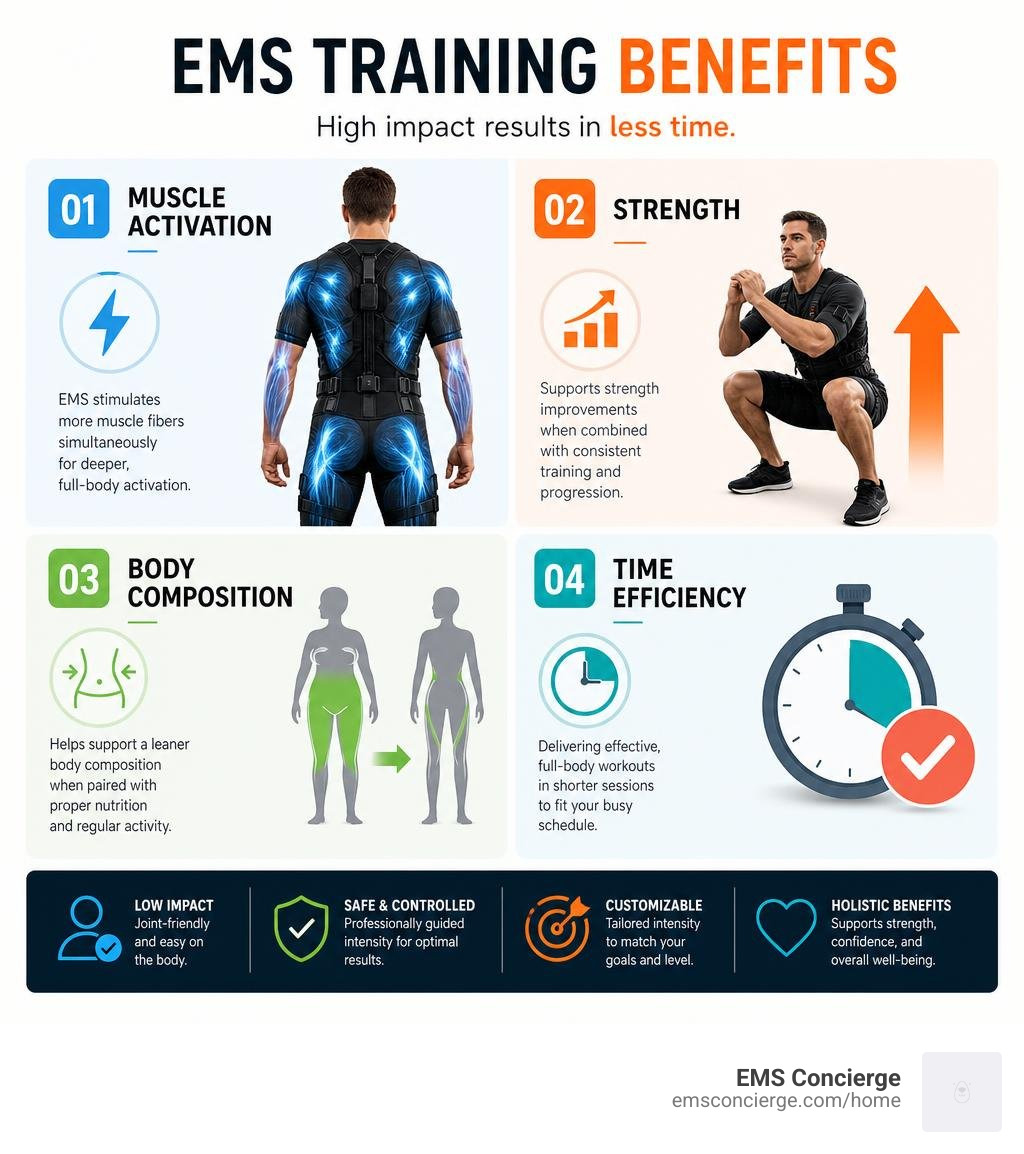
EMS training benefits can include improved muscle strength, modest gains in muscle mass, and better body composition - with short, low-impact sessions. Whole-body electrical muscle stimulation (EMS) sends controlled electrical pulses through a wearable suit while you perform simple movements. The pulses make muscles contract more intensely, without requiring heavy weights or long gym workouts.
Research suggests EMS can be especially useful for busy adults, people who need lower-load exercise, and anyone using it alongside regular resistance training. But it is not a magic replacement for lifting: traditional resistance training still tends to produce larger strength gains and greater reductions in body-fat percentage.
For practical results, use EMS with a qualified trainer, increase intensity gradually, and pair it with consistent movement, protein-rich meals, and recovery. Think of it as a high-efficiency training tool - not a shortcut around the basics.
What Is Whole-Body EMS and How Does It Work?
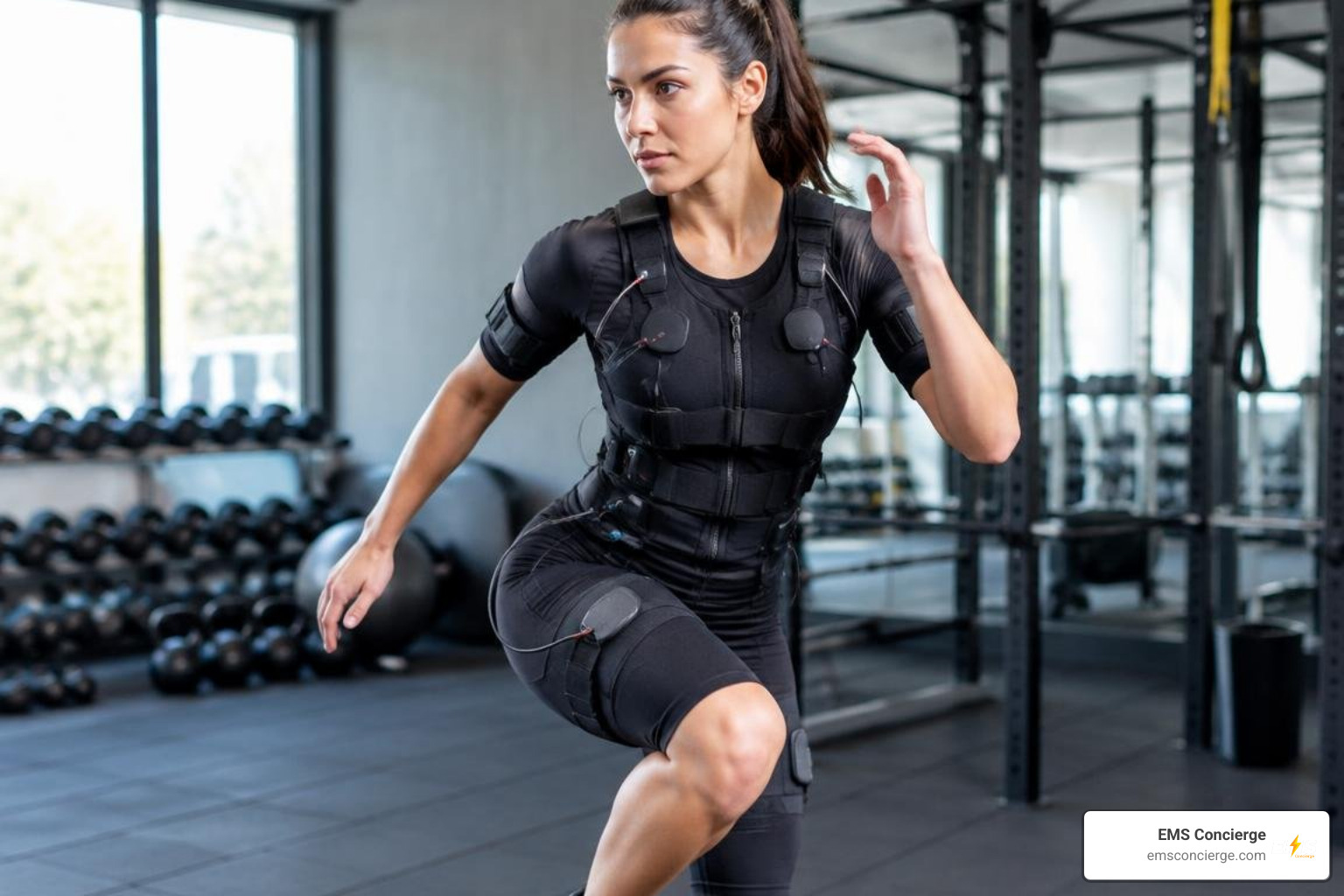
Whole-Body Electrical Muscle Stimulation (WB-EMS) is a modern fitness modality that pairs voluntary physical movement with low-frequency electrical impulses. Instead of relying solely on heavy external loads like barbells or weight machines to create muscular tension, we deliver targeted impulses directly to major muscle groups simultaneously through a specialized electrode suit.
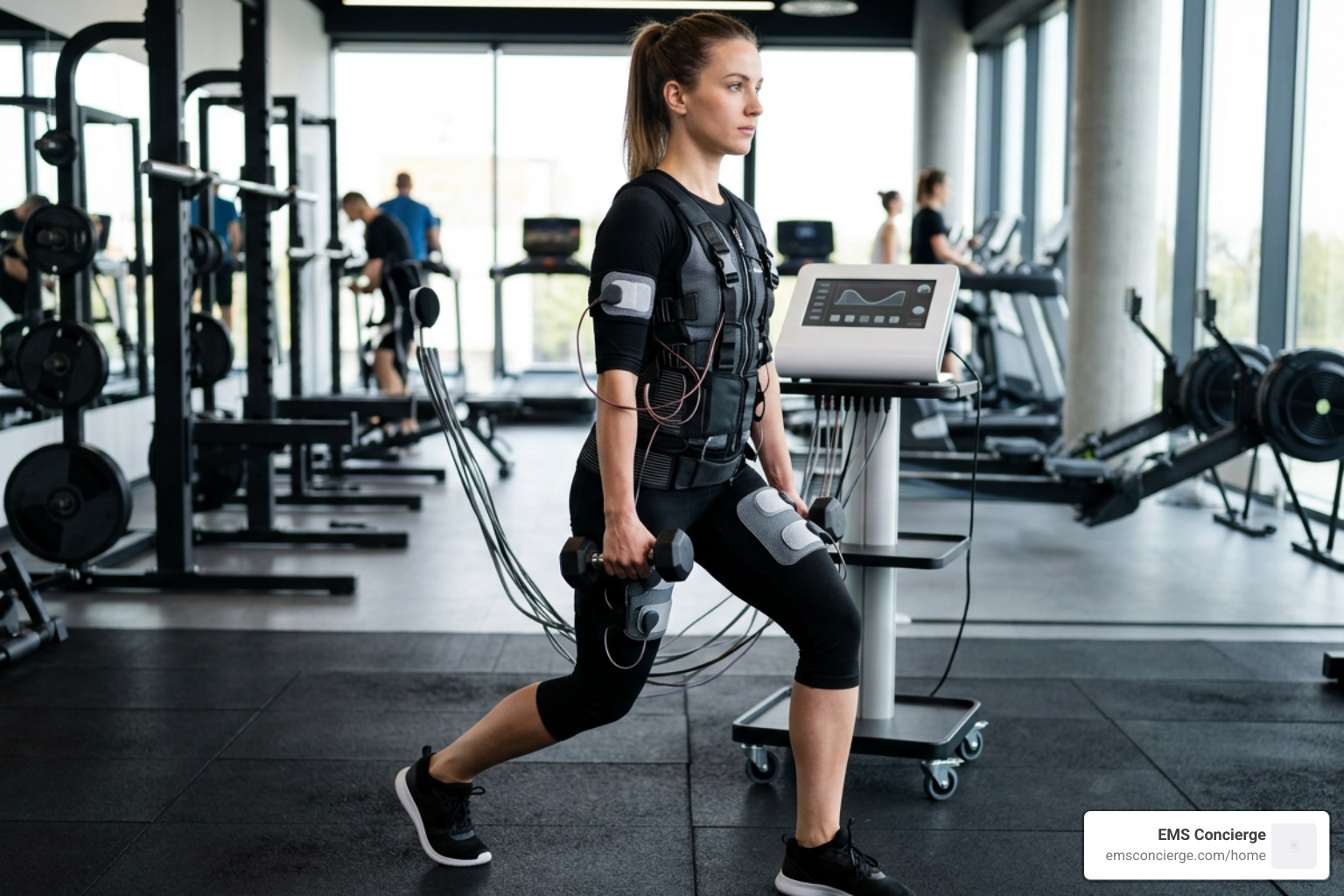
During conventional exercise, your brain sends electrical signals along the central nervous system to activate motor units in your skeletal muscle tissue. WB-EMS bypasses the brain's natural inhibitory pathways by applying electrical impulses directly over the skin. This triggers involuntary contractions that recruit deep muscle layers and Type II (fast-twitch) muscle fibers earlier in the movement cycle than voluntary contractions normally allow.
Using professional-grade Miha Bodytec equipment, we can stimulate up to ten major anatomical muscle groups simultaneously—including the pectorals, lats, upper back, abdominals, glutes, quads, hamstrings, and arms—creating intense neuromuscular activation across the entire body in a single session.
Physiological Mechanisms Behind EMS Training Benefits
To understand the core physiological mechanisms of EMS, we look at motor unit recruitment. In natural voluntary movement, your body follows Henneman's size principle: it activates small, slow-twitch (Type I) motor units first, only recruiting larger, fast-twitch (Type II) fibers when the physical load becomes heavy or fatigue sets in.
EMS reverses or synchronizes this recruitment order:
- Synchronous Motor Unit Recruitment: The electrical impulse stimulates motor neurons non-selectively, causing fast-twitch and slow-twitch fibers to fire at the same time.
- Deep Tissue Activation: Impulses penetrate past superficial layers to engage stabilizing muscles (such as the deep pelvic floor and spinal erecters) that are difficult to recruit through bodyweight movement alone.
- Heightened Contraction Density: A typical 20-minute session delivers approximately 85 muscle contractions per second across all connected muscle groups, producing thousands of involuntary micro-contractions in a condensed timeframe.
- Metabolic Amplification: The sheer volume of simultaneous contractions demands high levels of energy substrate utilization, triggering an acute metabolic response that elevates energy expenditure both during and after the workout.
Frequency Ranges and Muscle Adaptation
The biological outcome of electrical stimulation depends heavily on the specific impulse frequency (measured in Hertz, or Hz) applied to the muscle tissue:
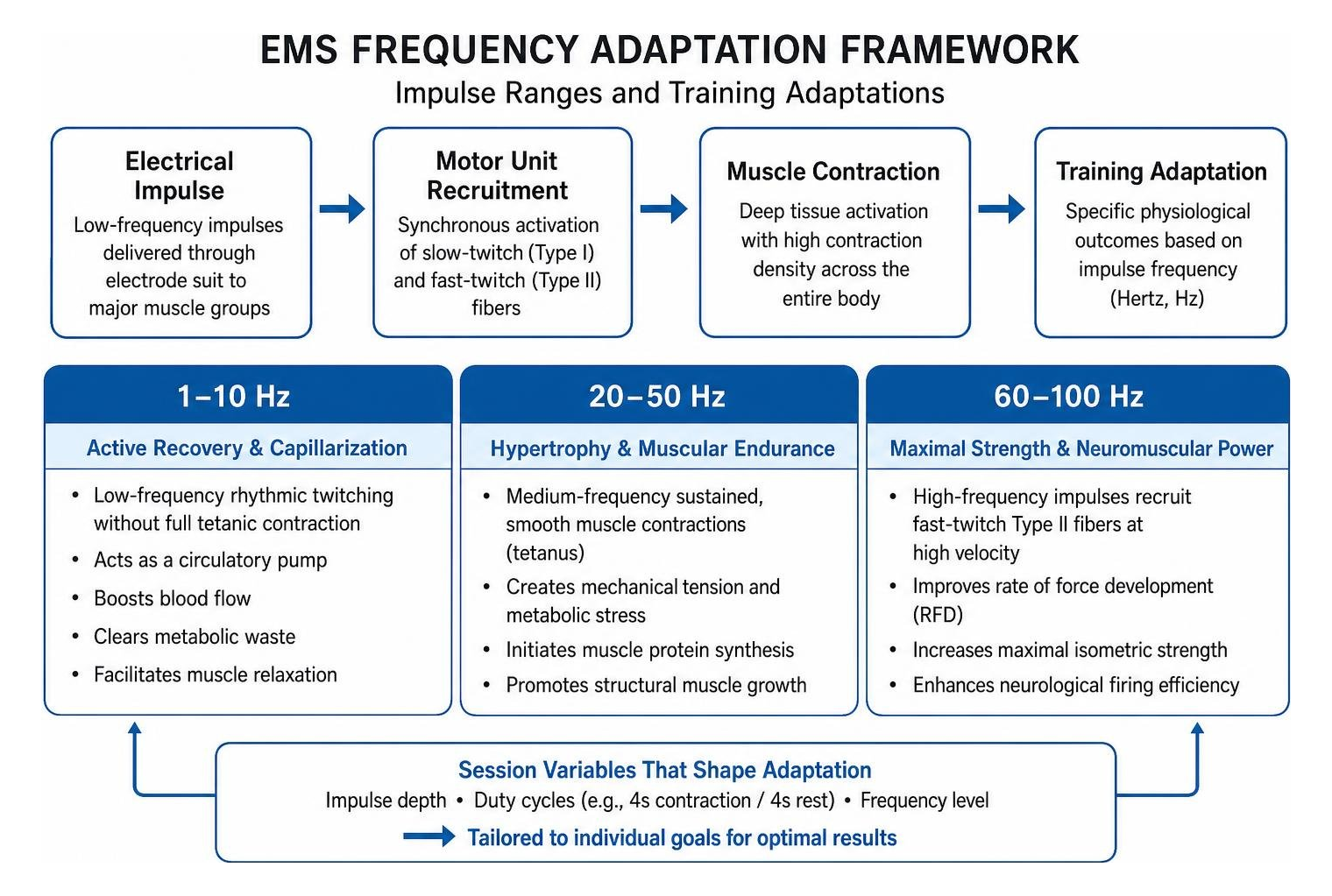
- 1–10 Hz (Active Recovery & Capillarization): Low frequencies promote rhythmic muscle twitching without full tetanic contraction. This acts as a circulatory pump, boosting blood flow, clearing metabolic waste, and facilitating muscle relaxation.
- 20–50 Hz (Hypertrophy & Muscular Endurance): Medium frequencies create sustained, smooth muscle contractions (tetanus). This stimulates the mechanical tension and metabolic stress necessary to initiate muscle protein synthesis and promote structural muscle growth.
- 60–100 Hz (Maximal Strength & Neuromuscular Power): High-frequency impulses recruit fast-twitch Type II fibers at high velocity, improving rate of force development (RFD), maximum isometric strength, and overall neurological firing efficiency.
By fine-tuning impulse depth, duty cycles (e.g., 4 seconds of contraction followed by 4 seconds of rest), and frequency levels, we tailor every session to specific fitness adaptations.
Core EMS Training Benefits for Body Composition and Strength
Scientific research confirms that adding structured electrical muscle stimulation to regular fitness routines yields quantifiable shifts in body composition and physical capacity (Lee et al., 2023). Learning why booking EMS concierge training will transform your weekly workout routine begins with understanding how these controlled impulses influence skeletal muscle, subcutaneous adipose tissue, and total daily energy balance.
Documented Muscle Hypertrophy and Strength Gains
Research demonstrates that frequency-specific EMS combined with resistance movements induces significant structural adaptations:
- In an 8-week randomized study, participants performing resistance training paired with daily EMS achieved a statistically significant increase of 0.8 kg in muscle mass (p = 0.018), compared to a 0.2 kg loss in the control group (Lee et al., 2023).
- The same 8-week intervention demonstrated dramatic improvements in functional upper-body capacity, with the EMS group increasing left-hand grip strength by 2.7 kg (p = 0.007) and right-hand grip strength by 4.4 kg (p = 0.002) compared to baseline and non-EMS controls (Lee et al., 2023).
- A 20-week longitudinal trial comparing 25-minute WB-EMS sessions to 90-minute traditional gym training revealed that while conventional lifting produces superior peak strength on heavy barbell lifts (such as the bench press and leg press), EMS creates steady, measurable gains in functional isometric force and core stability.
Because EMS recruits motor units without requiring heavy external resistance, it provides an effective way to stimulate progressive muscular overload, drive protein synthesis, and build functional strength safely.
Fat Loss and Metabolic EMS Training Benefits
When evaluating the primary ems training benefits on fat loss, clinical studies show clear systemic improvements:
- In an 8-week controlled trial, the daily EMS cohort experienced a statistically significant reduction in total fat mass (p < 0.001) and an absolute drop of 1.0% in body fat percentage, whereas the non-EMS control group saw a 2.4% increase (Lee et al., 2023).
- Over a 20-week intervention, participants using a 25-minute whole-body EMS protocol achieved significant reductions in overall body weight and body mass index (BMI), outperforming conventional 90-minute resistance routines in overall weight drop.
While boutique marketing claims often exaggerate caloric burn (sometimes asserting 3,000 to 4,000 extra calories burned per session without scientific backing), the real mechanism is straightforward: intense, synchronous muscular activation elevates active energy expenditure and supports a healthy resting metabolic rate (RMR), helping to reduce visceral and subcutaneous fat when combined with a balanced diet.
Whole-Body EMS vs. Traditional Resistance Training: A Direct Comparison
To determine which modality best matches your lifestyle and fitness goals, explore the ultimate guide to in-home EMS training vs alternatives. The table below compares the evidence-based physiological trade-offs between a 20-to-25-minute whole-body EMS session and a standard 90-minute traditional weightlifting workout.
| Metric / Parameter | 20–25 Minute Whole-Body EMS | 60–90 Minute Traditional Resistance Training |
|---|---|---|
| Session Duration | 20–25 minutes (1–2 times per week) | 60–90 minutes (3–5 times per week) |
| Joint & Spinal Loading | Zero axial loading; gentle on joints | High axial spinal loading; joint wear |
| Muscle Fiber Recruitment | Simultaneous Type I & II recruitment | Sequential recruitment (size principle) |
| Primary Strength Outcomes | Isometric strength, core, grip force | Maximum 1RM dynamic strength (bench/squat) |
| Body Composition Focus | Greater weight & BMI reduction | Greater body fat % decrease & max hypertrophy |
| Time Commitment / Week | ~40–50 minutes total | ~180–360 minutes total |
| Supervision Level | 1-on-1 certified trainer mandatory | Often self-guided or group setting |
Methodical evaluation protocols in clinical training outcomes show that holding instruction quality constant allows specialized training models to match traditional modalities in targeted performance areas.
Time Commitment and Workout Efficiency
The most obvious advantage of WB-EMS is time efficiency. A standard full-body gym workout requires 60 to 90 minutes to train major muscle groups individually across multiple sets and rest intervals. In contrast, an EMS suit activates all primary muscle groups at the same time.
Marketing sources often claim that a 30-minute EMS session equals roughly 240 minutes of traditional training in sheer contraction density. While dynamic barbell lifts remain the gold standard for developing raw power and maximal 1RM strength, 20-minute EMS sessions deliver unmatched time economy for busy professionals who cannot spend five hours at the gym each week.
Joint-Friendly Loading and Rehabilitation
Traditional heavy resistance training applies significant mechanical strain to articular cartilage, tendons, and the spinal column. Heavy squats and overhead presses can aggravate joint discomfort for older adults or individuals recovering from injury.
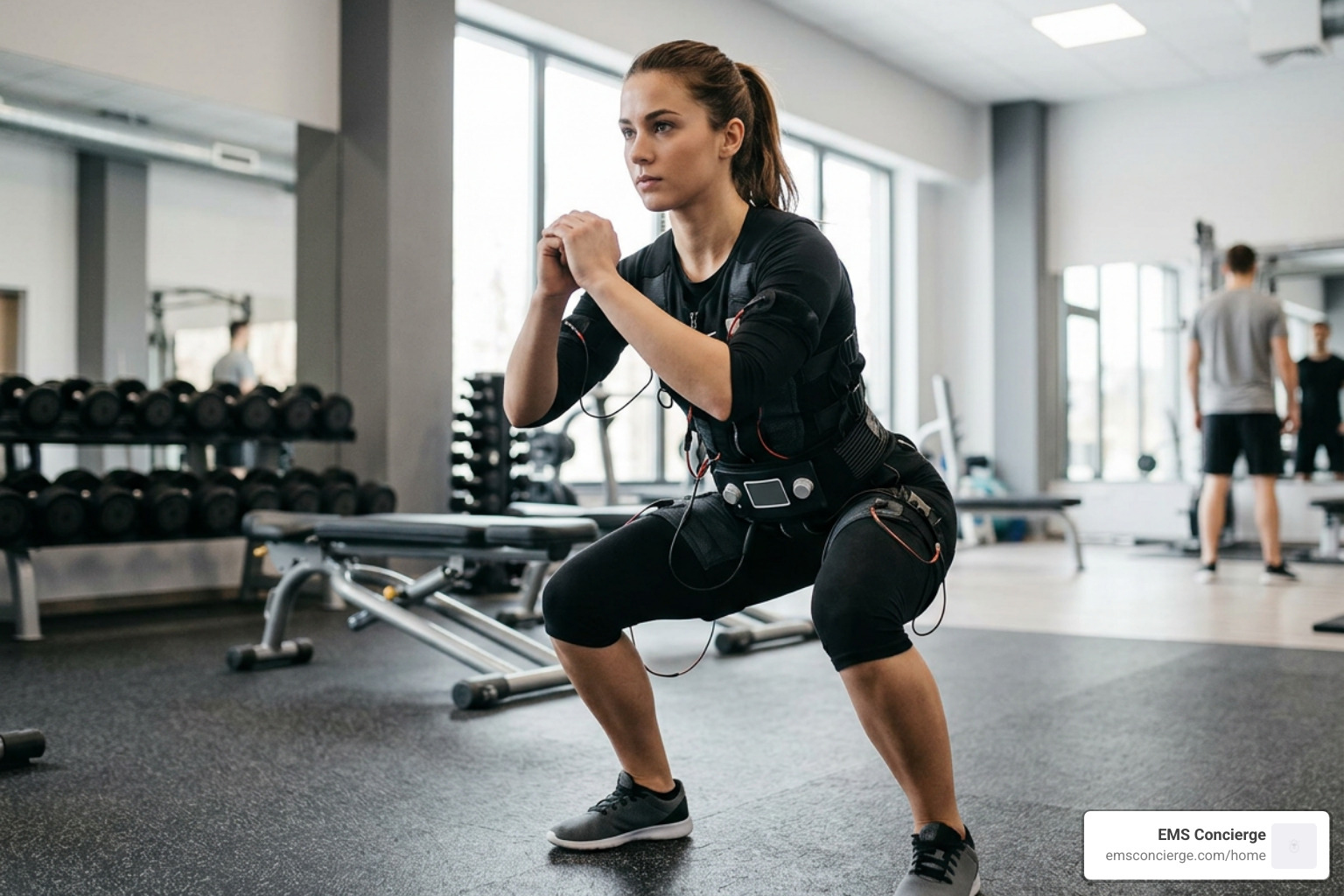
WB-EMS completely removes external axial loads. Muscular tension is generated entirely through electrical impulses combined with light, bodyweight functional movements (such as unweighted squats, lunges, or isometric core holds). This makes it an ideal modality for preserving muscle tissue, restoring motor control, and building strength without joint stress or connective tissue wear.
Safety, Contraindications, and Who Benefits Most
Ensuring safety during high-density muscle activation requires strict adherence to evidence-based simulation and training standards and personalized supervision.
Target Populations for Whole-Body EMS
- Busy Professionals: Individuals who need an effective, comprehensive full-body workout in just 20 minutes once or twice per week.
- Older Adults & Seniors: Individuals looking to combat age-related sarcopenia, improve balance, and build bone-supporting muscle without straining fragile joints.
- Injured Individuals & Rehab Clients: Anyone recovering from orthopedic issues who needs to prevent muscle atrophy without loading healing joints.
- Conditioned Athletes: Athletes seeking to enhance fast-twitch motor unit recruitment, break through strength plateaus, and accelerate active recovery between heavy training cycles.
Safety Protocols and Health Precautions
When conducted under the guidance of certified trainers, WB-EMS has an outstanding safety record. An 8-week clinical trial monitoring blood biochemical variables confirmed no adverse changes in liver enzymes (AST, ALT) or kidney function markers (BUN, creatinine) during regular EMS training (Lee et al., 2023).
However, because the impulses create intense muscle contractions, safety rules must be followed:
- Medical Contraindications: WB-EMS is strictly contraindicated for individuals with cardiac pacemakers, implantable defibrillators, active epilepsy, cardiac arrhythmias, severe circulatory disorders, active cancer, or those who are pregnant.
- Rhabdomyolysis Prevention: Over-stimulating unconditioned muscles with excessive electrical current can cause muscle fiber breakdown and release excess myoglobin into the bloodstream. Certified trainers prevent this by enforcing gradual progressive overload, setting tailored impulse intensities, and monitoring hydration levels.
- Proper Recovery Periods: Because EMS produces deep neuromuscular fatigue, allow at least 48 to 72 hours of recovery between high-intensity sessions.
Frequently Asked Questions About EMS Results
Can a 20-minute EMS session really replace a longer traditional workout?
A 20-minute EMS session delivers comparable muscle activation and metabolic stimulation to a longer resistance session because it stimulates all major muscle groups at the same time. While it does not fully replicate the heavy axial loading needed for maximal powerlifting strength, it provides an effective, time-saving alternative for overall fitness, body tone, and functional strength.
How quickly can you expect measurable results from EMS?
Neuromuscular improvements—such as better posture, enhanced motor control, and increased muscle firmness—are often noticeable within 3 to 4 weeks. Clinically measurable shifts in body composition, including increases in lean muscle mass (e.g., +0.8 kg) and reductions in body fat percentage, typically emerge after 8 consecutive weeks of twice-weekly training (Lee et al., 2023).
Is whole-body EMS training safe for long-term fitness routines?
Yes. Clinical studies tracking long-term metabolic and biochemical health markers show that WB-EMS is safe for sustained, multi-month regimens (Lee et al., 2023). Long-term safety relies on working with a certified trainer who regulates impulse parameters, advances intensity gradually, and ensures adequate rest between sessions.
Conclusion
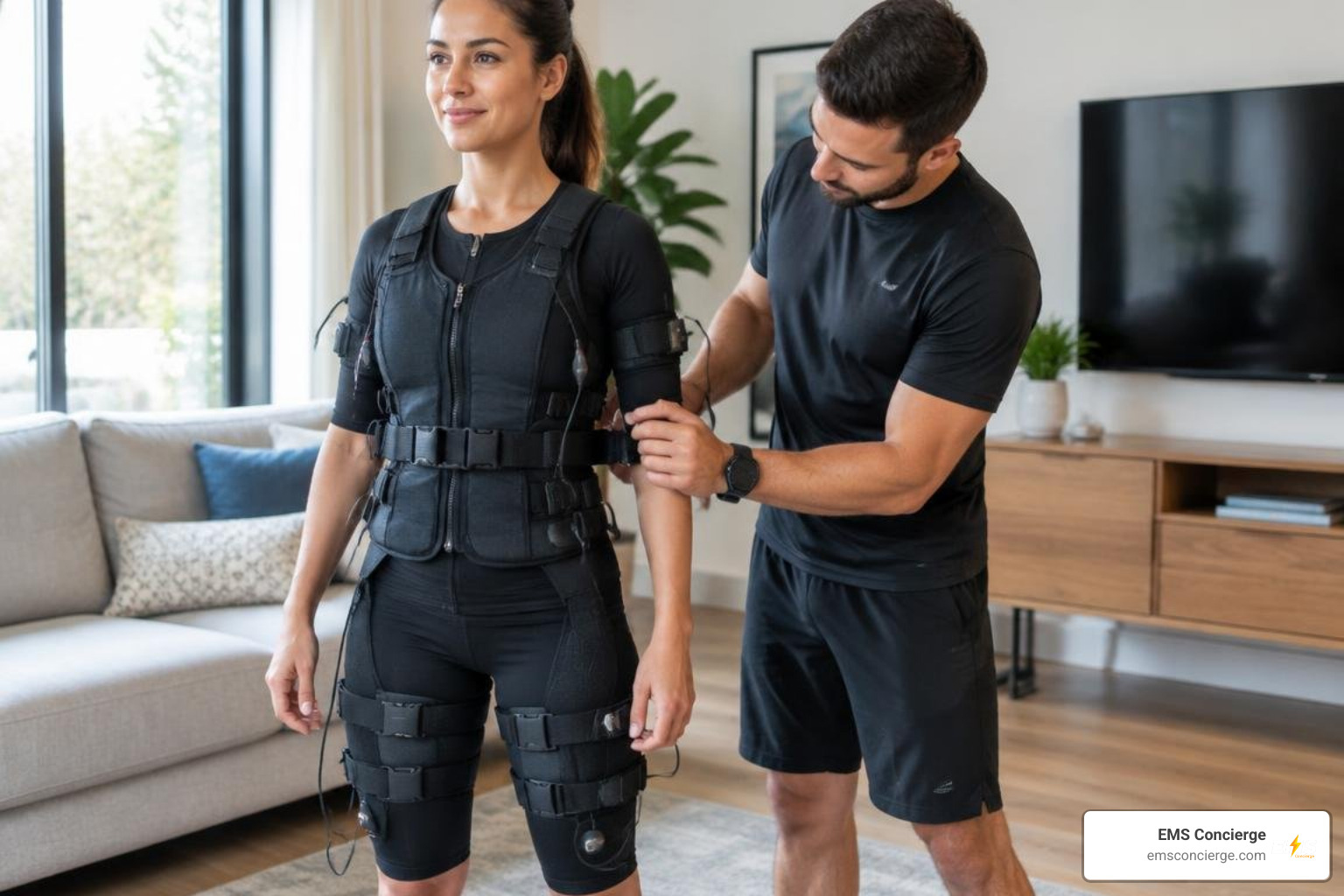
Whole-body electrical muscle stimulation provides an evidence-based, low-impact solution for building strength, increasing muscle mass, and improving body composition in a fraction of the time required by standard gym routines. At EMS Concierge, we bring this technology directly to your home using professional-grade Miha Bodytec equipment. Our certified personal trainers tailor every 20-minute session to your unique fitness level and wellness goals.
Ready to experience efficient, joint-friendly strength training in the comfort of your home? You can elevate your fitness with a personalized EMS cardio program and begin your transformation today.
References
Lee MC, Ho CS, Hsu YJ, Wu MF, Huang CC. "Effect of 8-week frequency-specific electrical muscle stimulation combined with resistance exercise training on muscle mass, strength, and body composition in men and women: a feasibility and safety study.." PeerJ, 2023. PMCID PMC10586320.