Electrical Muscle Stimulation Massage for Fast Muscle Relief
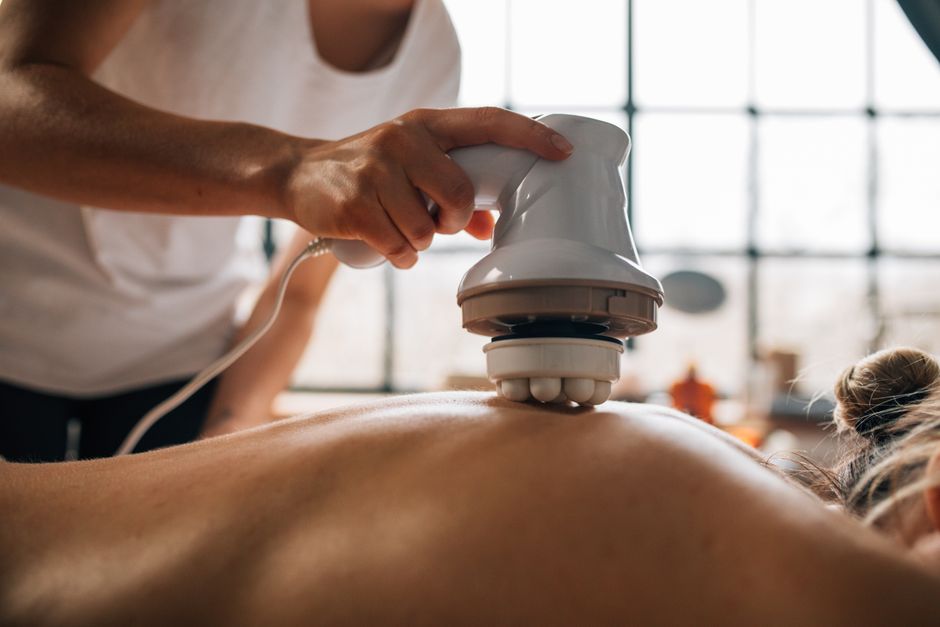
Electrical muscle stimulation massage can help ease sore, tight muscles by sending controlled electrical pulses through pads on the skin. The pulses create gentle, rhythmic muscle contractions that may reduce stiffness, support circulation, and help activate muscles after a hard workout or a long day at a desk.
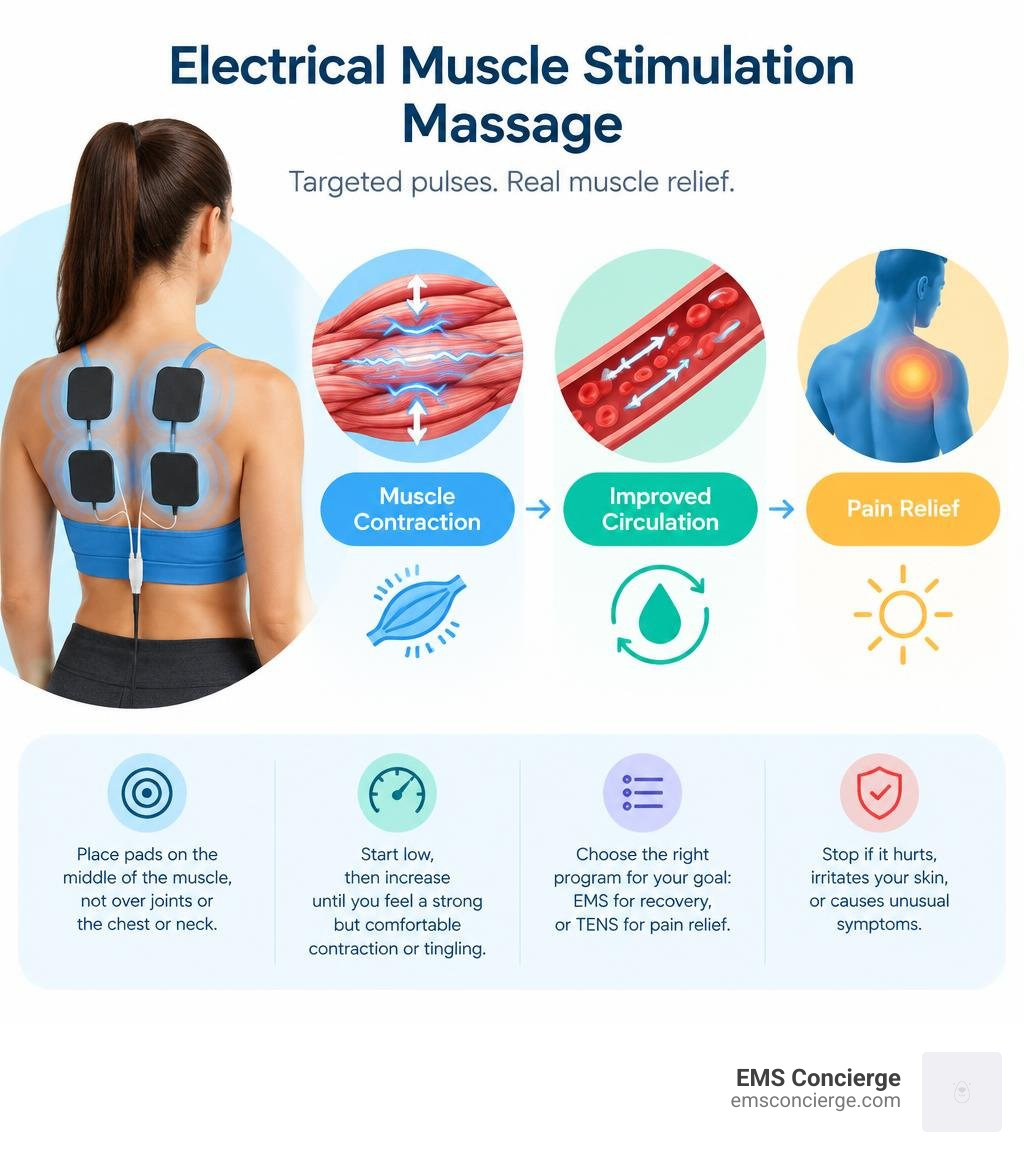
For safe, useful relief:
- Place pads over the middle of the aching muscle, not over joints, the front of the neck, or the chest.
- Start at a low intensity, then raise it only until you feel a strong but comfortable contraction or tingling.
- Use the program that fits your goal: EMS for muscle activation and recovery, or TENS for pain-focused sensory stimulation.
- Stop if treatment hurts, irritates your skin, or causes unusual symptoms.
This is not a replacement for medical care, but it can be a practical, low-impact tool for busy people who want targeted recovery at home. It works best alongside movement, hydration, sleep, and, when needed, guidance from a qualified clinician. People with implanted electrical devices, pregnancy, epilepsy, suspected blood clots, or reduced sensation should get medical advice before use. For a broader overview of how electrical stimulation supports muscle function, see Electrical muscle stimulation.
Must-know electrical muscle stimulation massage terms:
How Electrical Muscle Stimulation Relieves Muscle Aches
Chronic musculoskeletal discomfort is remarkably widespread. Globally, chronic pain affects roughly 45% of adults, with up to 15% experiencing severe, disabling pain. When muscles are overworked, stressed, or held in static postures for extended hours, muscle fibers enter a protective state of localized tension.

Electrical muscle stimulation (EMS) provides relief by tapping directly into the body’s neuromuscular communication pathways. In a normal voluntary movement, the central nervous system generates an action potential that travels down motor neurons to stimulate muscle fibers. EMS replicates this natural process from the outside: external electrodes deliver mild, calibrated electrical currents through the skin, triggering motor nerve pathways to recruit target muscle tissue without placing stress on sensitive joints.
By stimulating rhythmic contractions, EMS acts as a mechanical pump for the vascular system. This gentle pumping action dramatically enhances local blood circulation, delivering fresh oxygenated blood to oxygen-starved tissues while supporting natural science-backed steps for muscle recovery.
The Physiology of Involuntary Muscle Contractions
To understand why an electro-massage feels restorative, it helps to look at what happens at the cellular level. When an EMS device sends a low-frequency pulse into a muscle group, it prompts an involuntary twitch-and-release cycle across individual motor units.
Unlike a high-intensity resistance workout, a recovery-focused EMS massage utilizes low frequencies (typically between 1 Hz and 10 Hz) that cause repetitive twitches without inducing muscle fatigue or strain. By exploring the foundations of demystifying EMS workouts and the science behind muscle contractions, we see that these rhythmic contractions:
- Facilitate nutrient delivery into congested tissues.
- Mobilize trapped metabolic waste products and cellular byproducts.
- Break the neurological pain-spasm cycle by forcing hyper-toned muscle fibers into an active relaxation phase.
This passive cycle encourages the muscular system to reset its resting tone, allowing tight knots to soften and recover faster than passive rest alone allows.
How Electrical Muscle Stimulation Massage Differs from Sensory Nerve Stimulation
A common point of confusion is the distinction between Electrical Muscle Stimulation (EMS) and Transcutaneous Electrical Nerve Stimulation (TENS). While combo units often house both technologies, they target different biological structures and serve distinct clinical purposes.
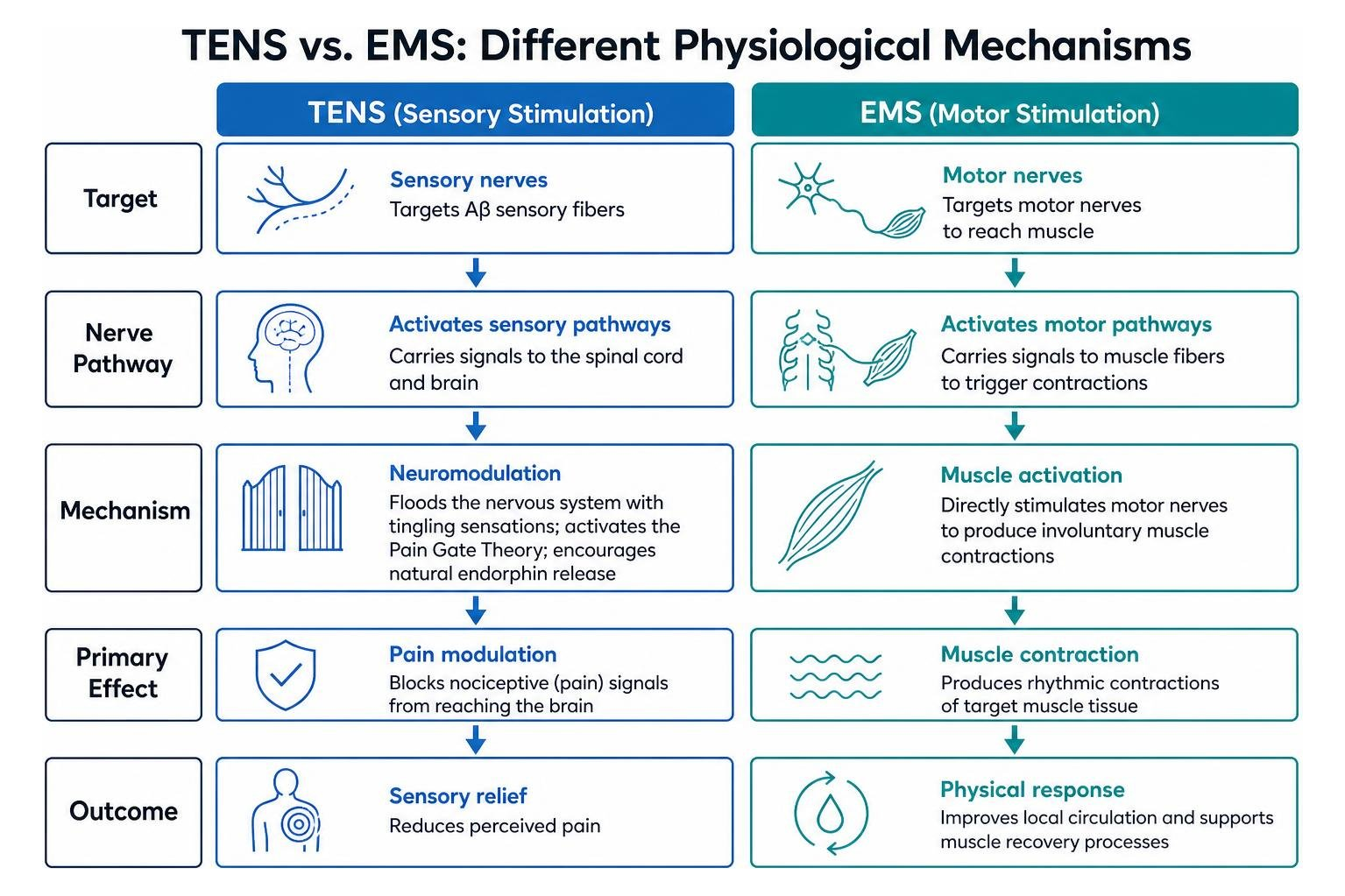
TENS primarily targets sensory nerve fibers ($Abeta$ fibers). By flooding the nervous system with tingling sensations, it activates the "Pain Gate Theory" of pain modulation, effectively blocking nociceptive (pain) signals from reaching the brain while encouraging natural endorphin release. In fact, a 2021 systematic review of 381 randomized clinical trials (24,532 participants) demonstrated that TENS significantly lowered pain intensity compared to placebo.
In contrast, EMS bypasses superficial sensory pathways to engage motor nerves, directly contracting the muscle tissue itself.
| Feature | Transcutaneous Electrical Nerve Stimulation (TENS) | Electrical Muscle Stimulation (EMS) |
|---|---|---|
| Primary Target | Sensory nerve fibers ($Abeta$ fibers) | Motor nerve fibers & muscle motor units |
| Main Mechanism | Pain gate modulation & endorphin release | Mechanical muscle contraction & vascular pumping |
| Primary Goal | Acute and chronic pain signal relief | Muscle recovery, active relaxation, conditioning |
| Sensation | Tingling, buzzing, or vibrating | Rhythmic pulsing, muscle twitches, or smooth contraction |
| Tissue Impact | Modulates neurological perception | Mobilizes blood flow, relieves tone, clears metabolites |
5 Core Benefits of Electrical Muscle Stimulation Massage
Integrating targeted electrical muscle stimulation into a physical wellness regimen yields wide-ranging therapeutic benefits for active individuals and sedentary desk workers alike:
- Restoration of Baseline Muscle Tone: Interrupts sustained involuntary spasms and returns tight muscles to their natural resting length.
- Accelerated Metabolic Clearance: Uses localized muscular pumping to mobilize cellular debris away from fatigued tissue.
- Enhanced Microcirculation: Drives localized vasodilation, flooding healing tissues with nutrient-rich oxygenated blood.
- Endorphin-Mediated Comfort: Low-frequency pulses encourage the central nervous system to release natural pain-relieving endorphins.
- Restored Functional Range of Motion: By alleviating protective guarding around overworked joints, EMS restores pain-free functional movement.
Rapid Muscle Relaxation and Reduced Stiffness
One of the most noticeable benefits of an electro-stimulation massage is the rapid reduction in physical stiffness. When fatigue sets in—such as delayed onset muscle soreness (DOMS) after a hard training session—resting muscle tone and passive stiffness increase significantly, leaving muscles feeling uncomfortably rigid.
Clinical research underscores this effect. In a 2017 clinical study assessing gastrocnemius (calf) recovery, researchers found that muscle tone and stiffness spiked immediately following induced fatigue, while voluntary contraction strength plummeted (Wang, 2017). However, implementing targeted electrotherapy—especially when blended with therapeutic soft-tissue massage—significantly reduced tone and stiffness within 24 hours, returning the muscles to baseline far more rapidly than passive rest (Wang, 2017).
Enhanced Circulation and Lymphatic Drainage
Passive resting rarely provides optimal recovery because sedentary tissue suffers from sluggish venous return. Electro-massage stimulates localized vasodilation, widening blood vessels to supply vital amino acids and oxygen directly to muscle fibers.
Simultaneously, the continuous mechanical pulsing aids the lymphatic system. Unlike the cardiovascular system, the lymphatic network has no central pump; it relies entirely on physical muscle movement to transport fluid. Gentle EMS contractions clear fluid accumulation, helping reduce swelling and inflammation while accelerating cellular repair.
Recovery and Athletic Applications for EMS
Whether you are an endurance runner logging high mileage along the coast in Malibu or Newport Beach, or an executive spending long hours in meetings in Century City or Beverly Hills, targeted recovery makes all the difference in daily performance.
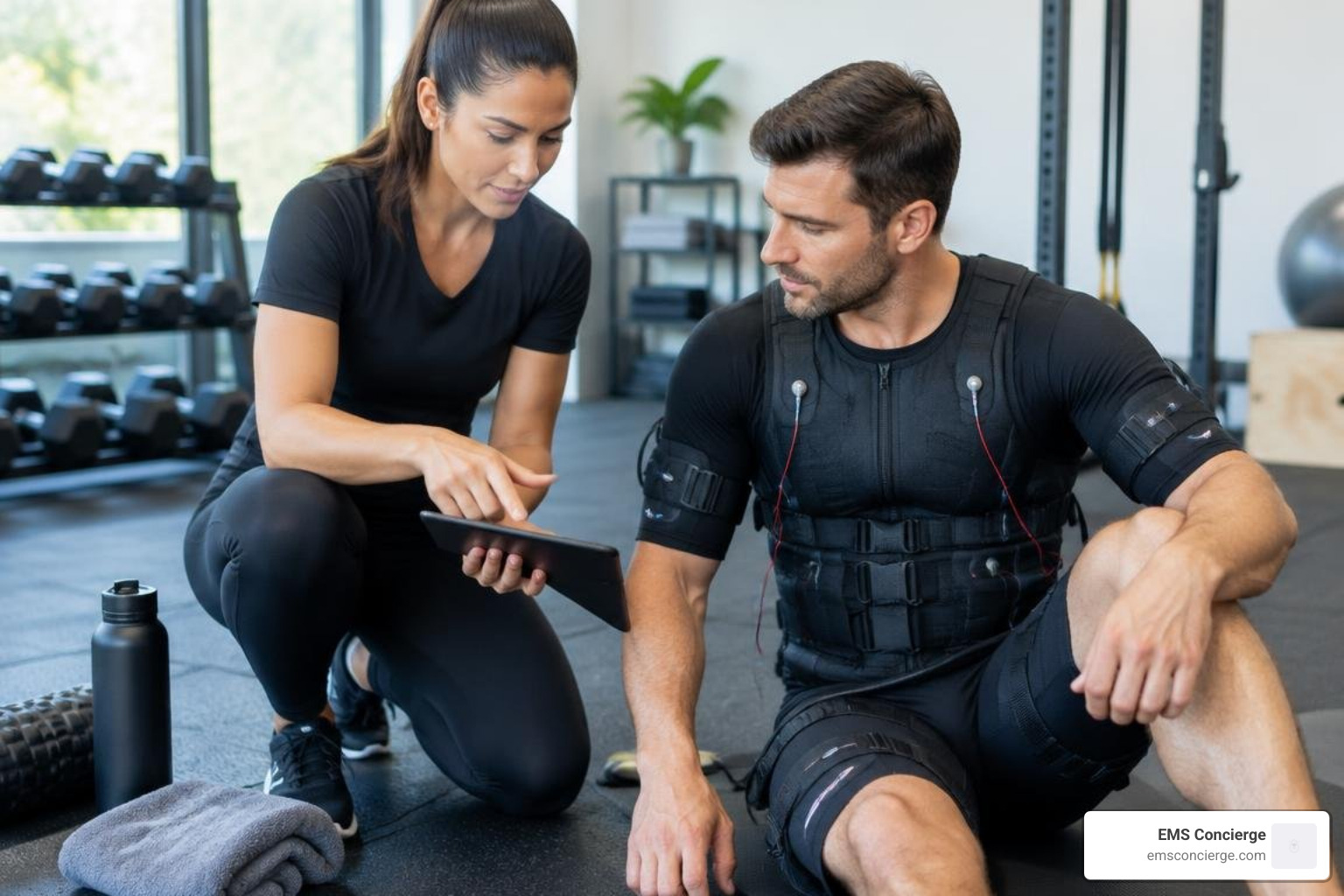
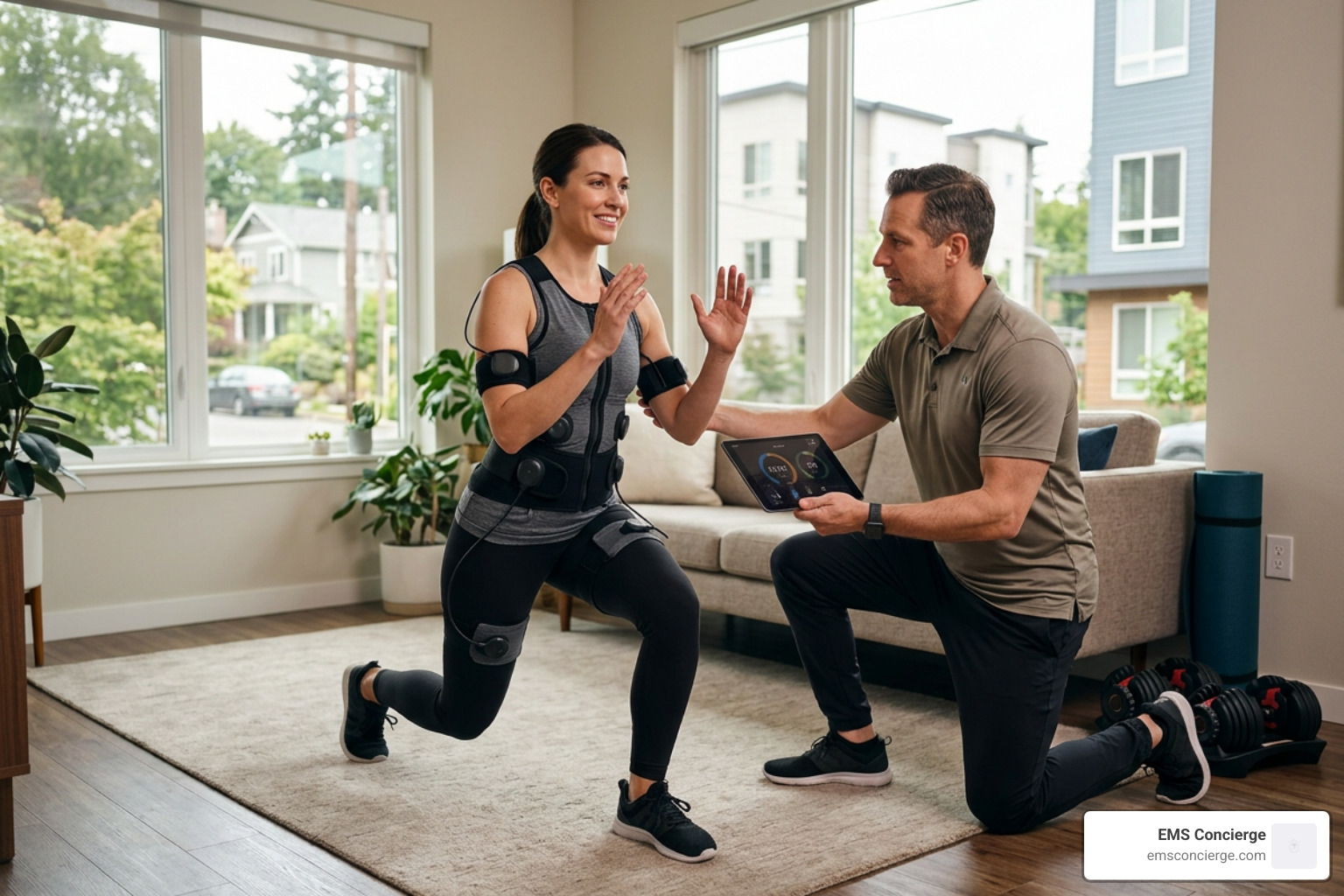
At EMS Concierge, we bring professional-grade Miha Bodytec technology directly to clients across California—including Westlake, Calabasas, Santa Monica, Brentwood, Pasadena, and Manhattan Beach—as well as Aspen, Colorado. Our certified trainers guide sessions that deliver the perfect balance of deep muscle activation and joint-friendly recovery. Understanding how to use injury recovery and low-impact strength protocols allows individuals to stay conditioned even when standard gym workouts cause joint strain.
Athletes and DOMS Management
High-demand athletic movements—especially eccentric contractions like downhill running, heavy squats, or plyometrics—create micro-tears in muscle fibers that lead to DOMS. Post-exercise electrical stimulation provides an active recovery effect without requiring the athlete to expend additional metabolic energy or load fatigued tendons.
By utilizing gentle flush programs on large muscle groups like the quadriceps, hamstrings, and calves, athletes experience a rapid turnaround between training bouts, reducing perceived soreness and restoring movement velocity for their next workout.
Conditioning After Reduced Activity
EMS massage is equally transformative for individuals rebuilding functional capacity after extended periods of inactivity, desk-bound stiffness, or minor injuries. When a limb or muscle group is immobilized, neural pathways weaken, often leading to disuse atrophy.
Gentle electro-massage acts as neuromuscular re-education. It wakes up sleepy motor units without loading joints or stressing connective tissues. Readers can check out our in-depth guide to EMS basics to learn how subtle electrical pulses maintain motor control and neuromuscular readiness throughout recovery periods.
Safe Protocol and Device Best Practices
Whether using a dedicated professional system or a portable dual-channel home unit, following proper application protocols ensures both safety and maximum therapeutic benefit.
Best Practices for Your Electrical Muscle Stimulation Massage Routine
To maximize your recovery sessions, apply these evidence-based best practices:
- Skin Preparation: Clean and thoroughly dry the skin before applying adhesive electrodes. Natural body oils and lotions increase electrical impedance, leading to uneven current delivery or skin prickling.
- Electrode Placement: Always place pads along the fleshy belly of the muscle, orienting them parallel to the natural direction of the muscle fibers. Never place pads across a joint line or over bony prominences.
- Session Duration: Limit active recovery massage sessions to 15–30 minutes per muscle group. Because EMS directly contracts muscle fibers, overstimulating tissue can cause unnecessary fatigue.
- Intensity Modulation: For recovery and massage goals, the sensation should feel smooth, rhythmic, and soothing. Increase intensity only until you see or feel a clear, comfortable muscle twitch—never turn it up to the point of pain or sharp cramping.
- Blended Protocols: Combine your stimulation routine with light active stretching, proper hydration, and breathwork to maximize systemic relaxation.
Essential Safety Precautions and Contraindications
While electrical muscle stimulation is exceptionally safe when applied correctly, certain medical conditions represent absolute contraindications:
- Cardiac Pacemakers & Implanted Defibrillators: Electrical currents can interfere with sensitive medical electronics.
- Pregnancy: EMS should not be applied over the abdomen, lower back, or pelvis during pregnancy.
- Epilepsy or Seizure Disorders: Stimulation should avoid the neck, head, and upper torso to prevent triggering neurological events.
- Deep Vein Thrombosis (DVT): Never apply electrotherapy over areas with suspected blood clots, as muscle contractions could dislodge a thrombus.
- Compromised Skin: Do not position pads over active rashes, open wounds, burns, or areas of severe dermatological inflammation.
Frequently Asked Questions About EMS Massage
Can electrical muscle stimulation massage help with both acute and chronic pain?
Yes, but the application approach differs depending on the condition. For acute pain (such as a fresh muscle spasm or neck strain), low-intensity EMS helps gently release localized muscle guarding without aggravating inflamed joints. For chronic pain (such as longstanding lower back tightness or joint stiffness), EMS can be combined with sensory nerve modulation (TENS frequencies) to stimulate endorphin release, increase local blood circulation, and break the chronic pain-spasm cycle.
How often can you safely perform an EMS massage session?
Recovery-oriented EMS massage sessions can safely be performed 3 to 5 times per week, provided the intensity remains within a comfortable, restorative range. Unlike high-intensity EMS strength workouts—which demand 48 to 72 hours of rest between full-body efforts—gentle massage protocols simply flush tissues and promote circulation, requiring minimal recovery time between applications.
Can EMS massage replace traditional recovery methods?
EMS massage is most effective as a powerful complement to a well-rounded recovery strategy rather than a total replacement for sleep, hydration, and active mobility. However, because it delivers deep, rhythmic contractions directly to targeted motor units without requiring physical exertion, it provides a level of localized circulatory flushing and neuromuscular relaxation that passive rest and standard foam rolling rarely match.
Conclusion
Electrical muscle stimulation massage combines modern neuromuscular science with the restorative touch of physical therapy. By sending targeted impulses directly to fatigued motor units, EMS eases muscular tension, boosts microcirculation, and accelerates natural tissue healing—all without stressing sensitive joints.
Whether you are an endurance athlete striving for faster turnaround times or an active professional balancing a demanding routine in Los Angeles, Beverly Hills, or Aspen, electro-stimulation offers an efficient way to keep your body feeling agile and energized. Discover the transformative benefits of our mobile, trainer-guided sessions by exploring our customized recovery stimulation services today.
References
- Electrical muscle stimulation Wang JS. "Therapeutic effects of massage and electrotherapy on muscle tone, stiffness and muscle contraction following gastrocnemius muscle fatigue.." Journal of physical therapy science, 2017. PMCID PMC5300827.