How EMS Training Creates a Full-Body Workout in Less Time
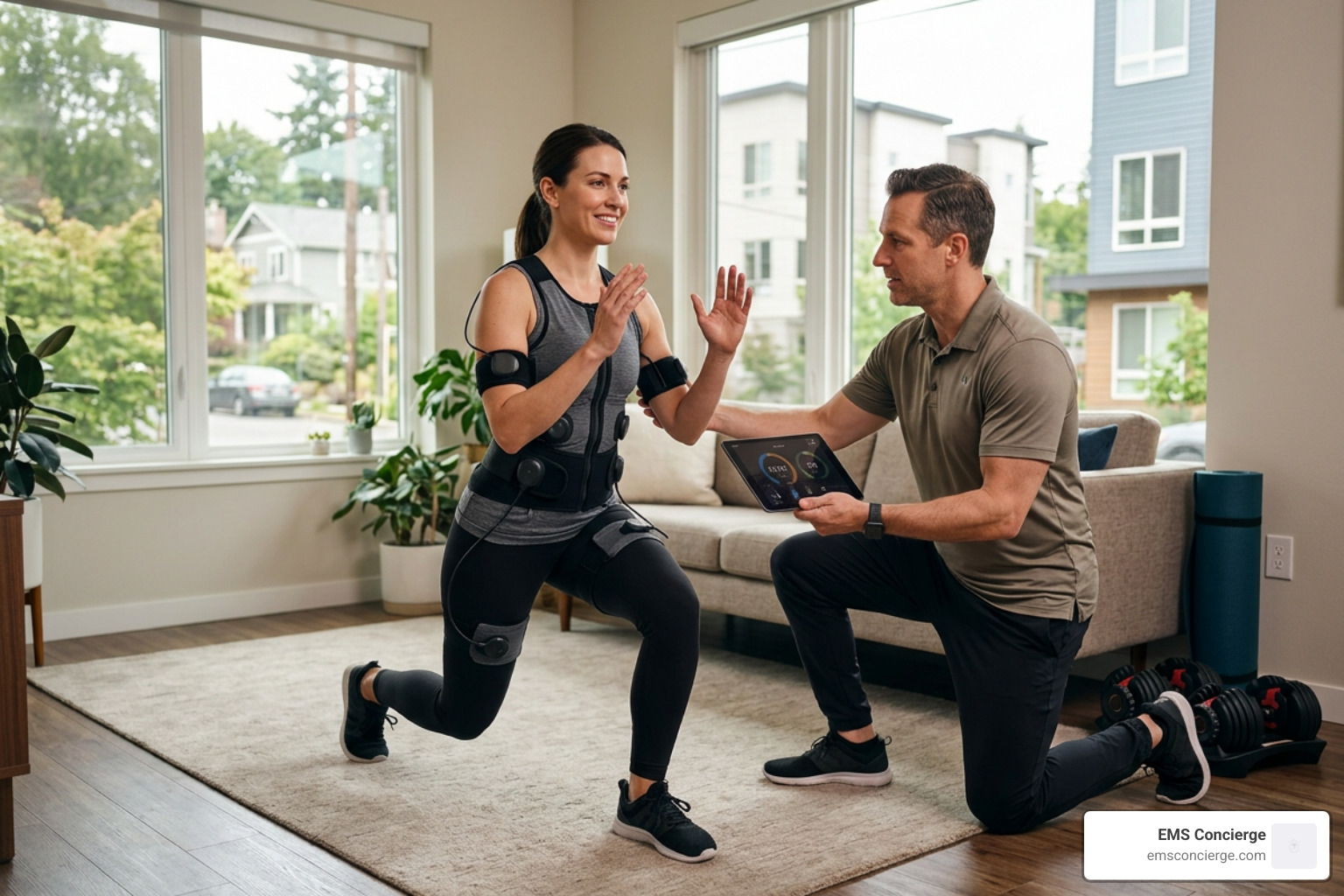
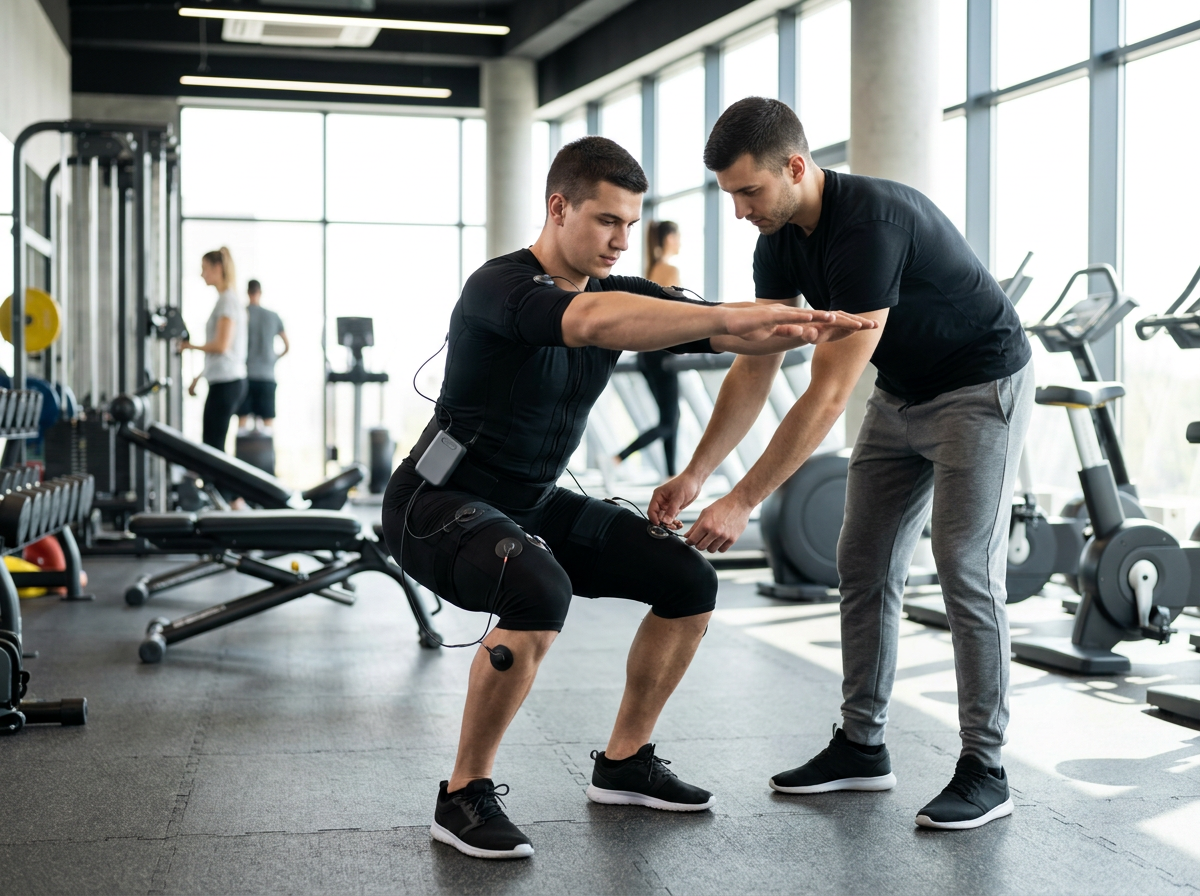
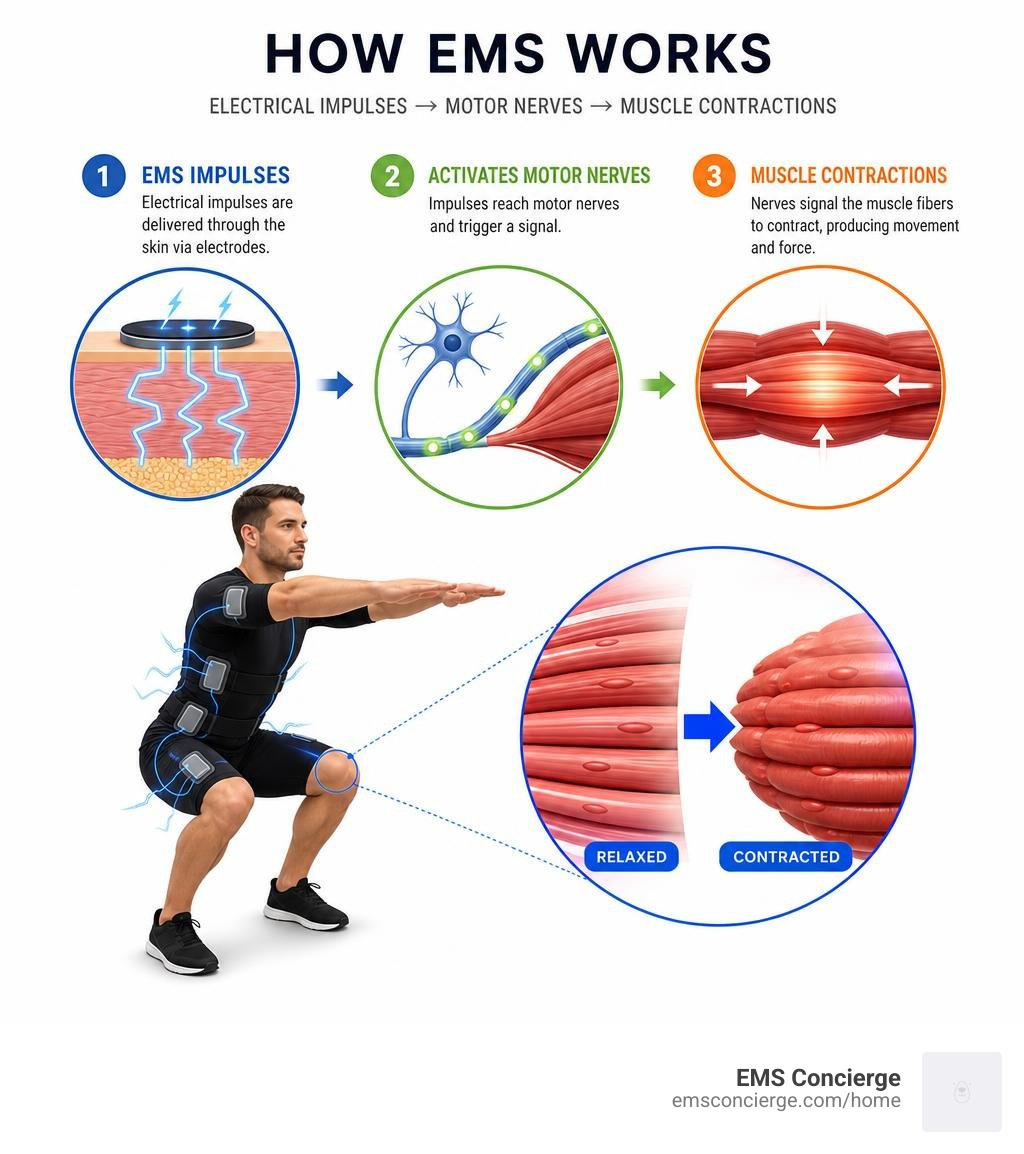
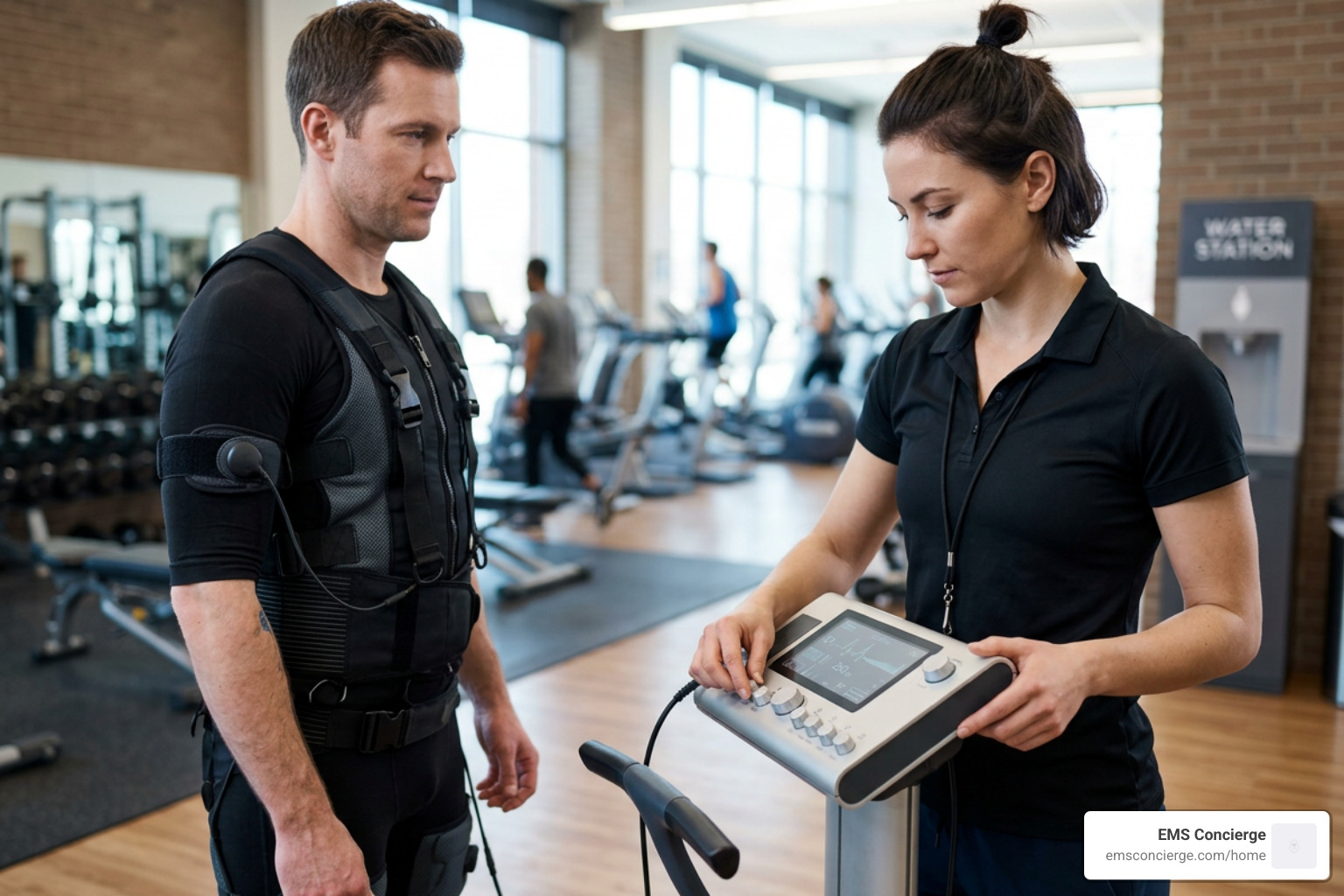
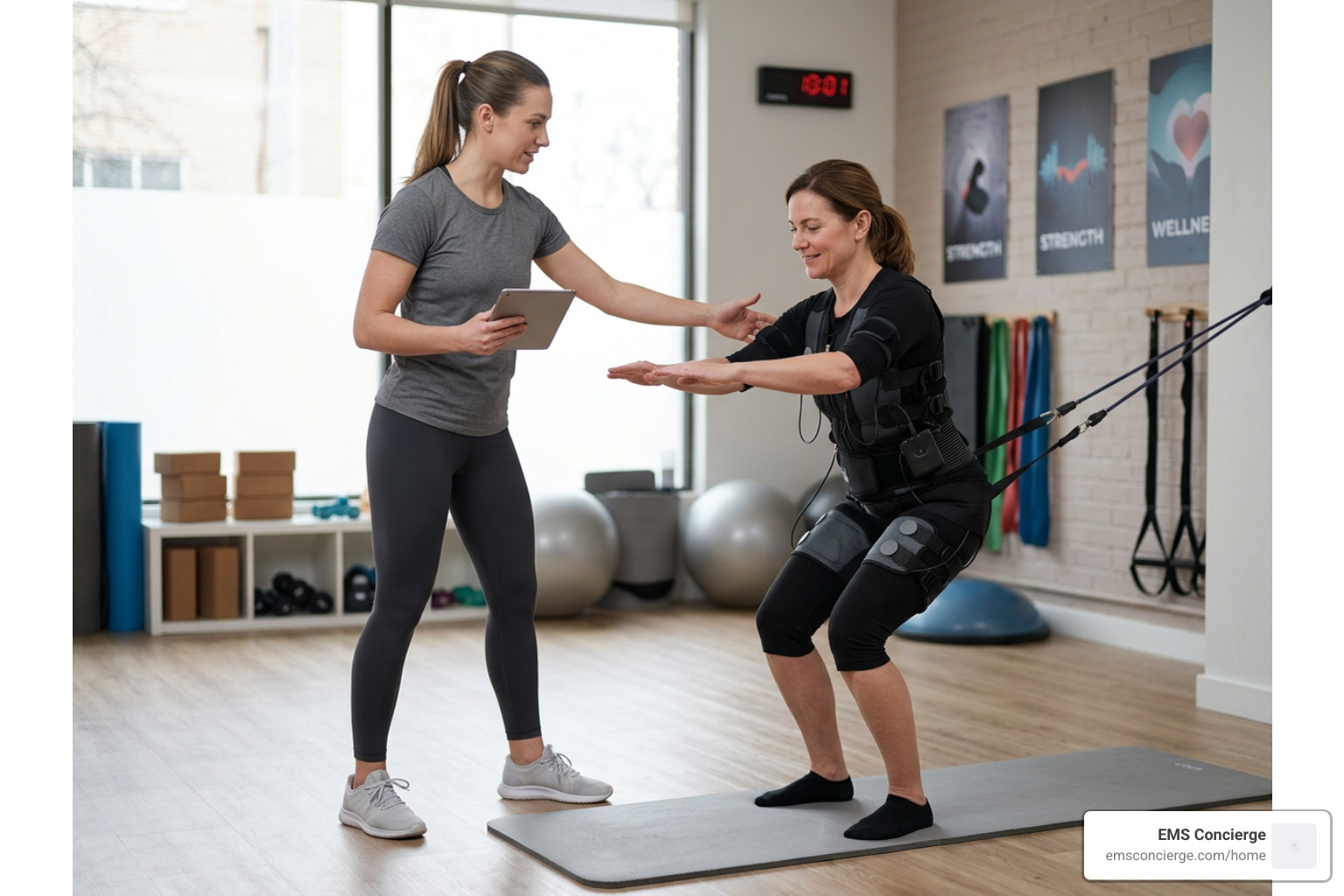
How does EMS training work? A wearable suit or electrode pads send controlled electrical pulses through the skin to motor nerves. Those nerves trigger muscle contractions, much like the signals your brain sends when you lift, squat, or hold a plank. During a supervised session, you perform simple voluntary movements while the device adds stimulation to major muscle groups.
For a busy professional, the practical steps are simple:
- Wear the EMS suit and have electrodes positioned correctly.
- Start at a comfortable intensity and increase it gradually.
- Perform low-impact movements such as squats, lunges, rows, and core holds during the contraction cycles.
- Allow recovery between sessions, since electrically stimulated muscles still need time to repair.
EMS does not make exercise effortless. The contractions can feel like strong, rhythmic tightening or tingling, and you still actively move. Its advantage is that several major muscle groups can be stimulated at once, potentially making a full-body session more time-efficient than a conventional gym workout.
Research suggests EMS can support gains in muscle mass, strength, and body composition, especially when paired with resistance exercise. But it is best viewed as a complement or practical alternative when heavy loading is not suitable, not a magic replacement for progressive strength training.
The Neuromuscular Science: How Does EMS Training Work?
To understand why a 20-minute session can leave you feeling like you just completed an intense weightlifting routine, we have to look beneath the skin at your neuromuscular system.
Under normal circumstances, every movement begins in the central nervous system. When you decide to perform a bicep curl, your brain’s motor cortex generates an action potential. This electrical signal travels down the spinal cord, courses through peripheral motor nerves, and arrives at the neuromuscular junction. The nerve terminal releases acetylcholine, which depolarizes the muscle cell membrane and causes the muscle fibers to slide together and contract.
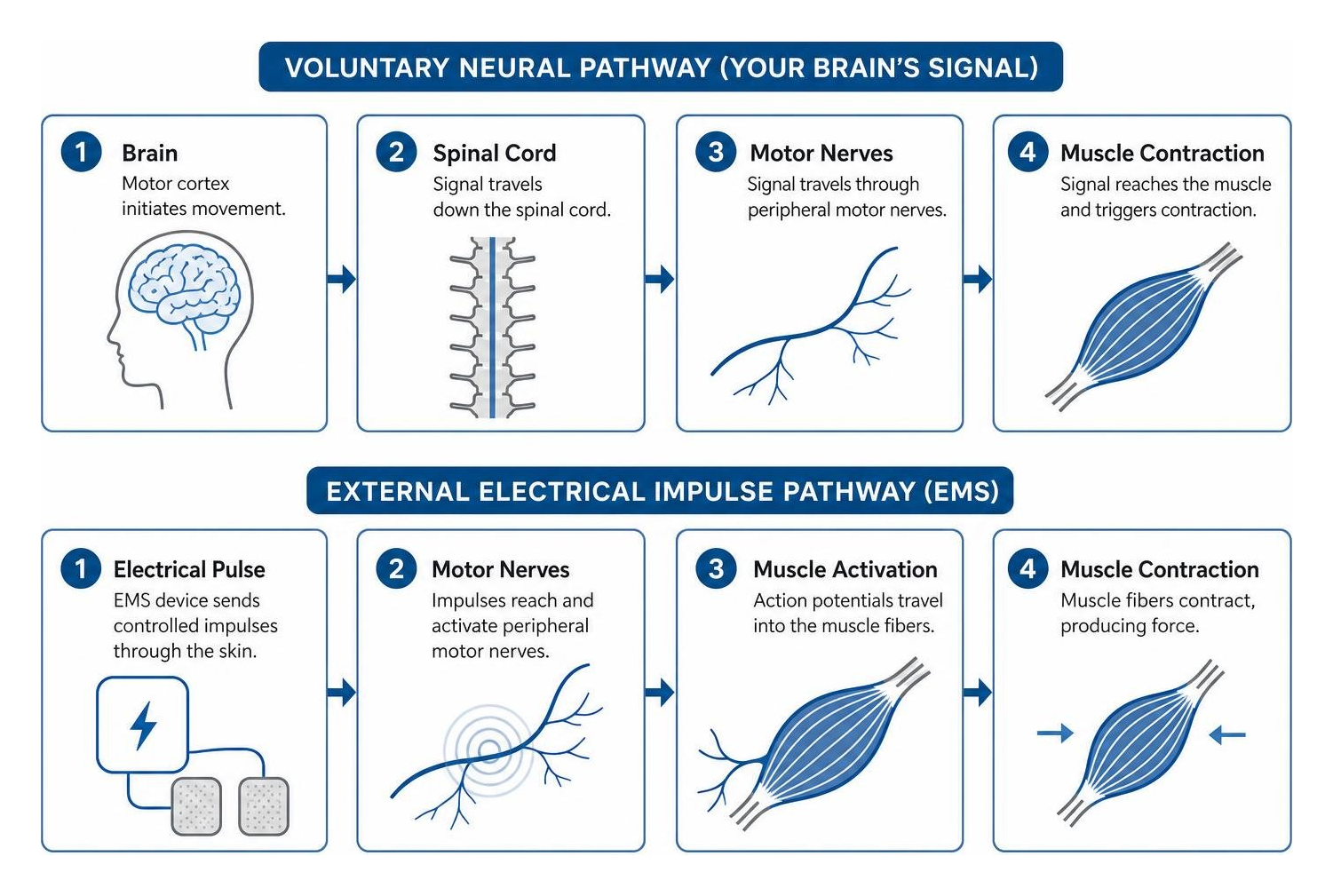
Electro-muscle stimulation (EMS) bypasses this central command center. By placing surface electrodes directly over targeted muscle bellies, the device delivers calibrated electrical impulses through the skin to the peripheral motor nerves. These external impulses evoke action potentials that travel directly into the muscle tissue, inducing involuntary contractions.
Interestingly, research shows that EMS is not purely peripheral; by activating sensory afferent pathways, it can also engage corticomotor networks within the brain, reinforcing neural pathways and neuromuscular coordination.
Central Nervous System vs. Electrical Impulses: How Does EMS Training Work at the Cellular Level?
At the microscopic scale, the physiological cascade that creates mechanical force is virtually identical whether initiated by your brain or an external current:
- Depolarization: The external impulse alters the electrical charge across the sarcolemma (the muscle cell membrane).
- Action Potential Propagation: The signal sweeps deep into the fiber via transverse tubules (T-tubules).
- Calcium Release: The sarcoplasmic reticulum releases stored calcium ions ($Ca^{2+}$) into the sarcoplasm.
- Cross-Bridge Cycling: Calcium binds to troponin, exposing binding sites on actin filaments so myosin heads can attach.
- Contraction: ATP powers the sliding of actin and myosin, creating structural tension and contracting the muscle.
The primary difference lies in the initiation and recruitment pattern. When we stimulate a muscle externally, we achieve simultaneous, intense contractions across multiple muscle groups without placing mechanical strain on tendons and joints.
Motor Unit Recruitment and Type II Muscle Fiber Activation
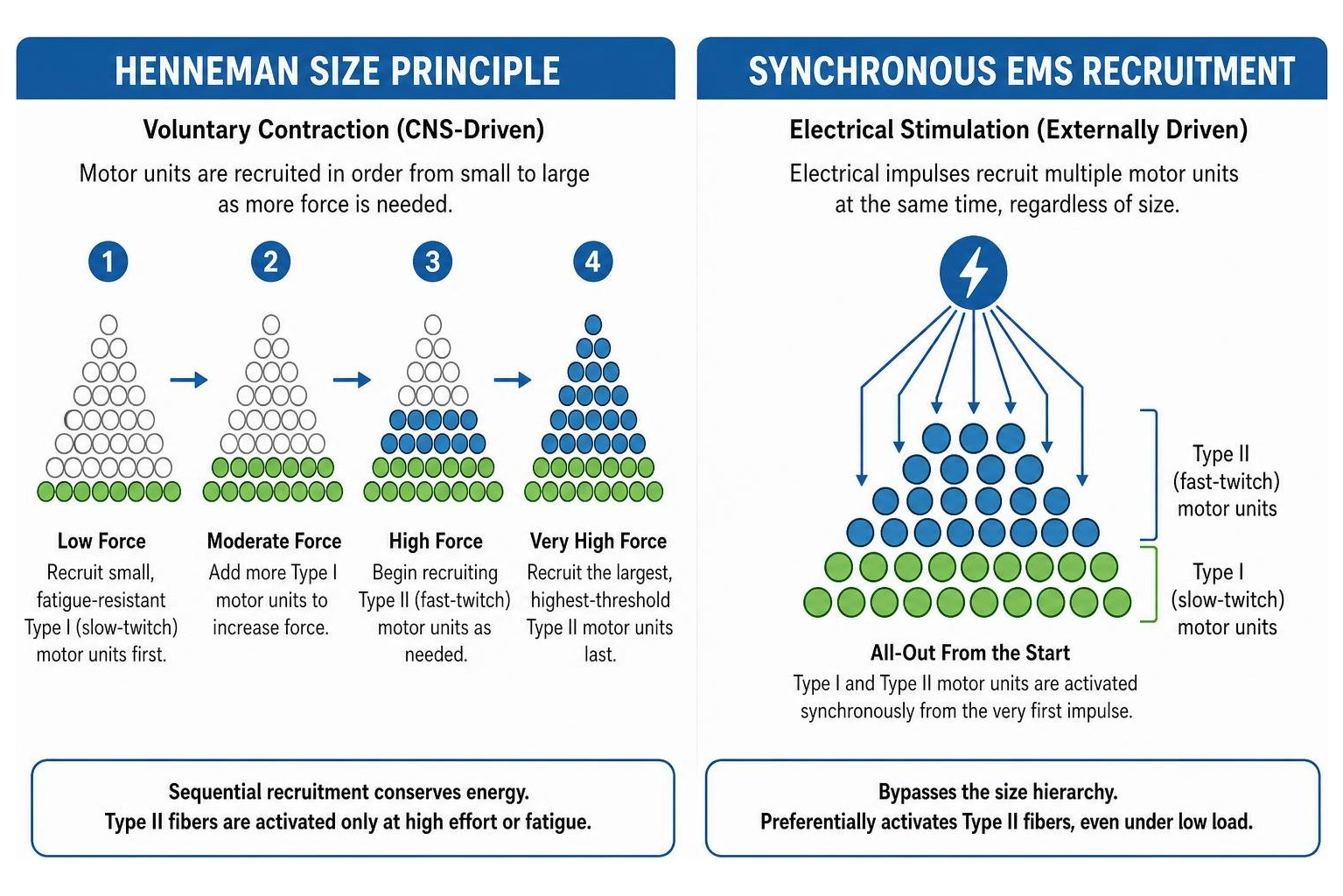
In natural voluntary exercise, your body follows Henneman's size principle. Your central nervous system conserves energy by recruiting smaller, fatigue-resistant Type I (slow-twitch) muscle fibers first. Only when the load is heavy enough or fatigue sets in does your brain recruit larger, powerful Type II (fast-twitch) muscle fibers.
EMS changes the equation through non-selective, synchronous recruitment:
- Bypassing the Size Hierarchy: Electrical impulses recruit both Type I and Type II fibers simultaneously from the very first rep.
- Preferential Fast-Twitch Stimulation: Because larger motor axons have lower electrical resistance, EMS readily activates Type II fibers even under light, bodyweight movements.
- Enhanced Force-Generating Adaptations: Type II fibers have the highest potential for hypertrophy and strength development. By activating them without requiring heavy barbells, EMS triggers rapid neuromuscular adaptations.
EMS vs. Traditional Resistance Training: Efficiency, Strength, and Body Composition
One of the most common questions fitness enthusiasts ask is how electrical stimulation compares to classic iron-pumping gym workouts. Both modalities stimulate muscle protein synthesis and metabolic activity, but their physical demands and time footprints differ significantly.
| Factor | 20-Minute Full-Body EMS Training | 90-Minute Traditional Resistance Training |
|---|---|---|
| Typical Session Duration | 20–25 minutes | 60–90 minutes |
| Muscle Activation Method | External electrical impulse + active movement | Voluntary CNS neural drive against external load |
| Fiber Recruitment Pattern | Synchronous (simultaneous Type I & Type II) | Hierarchical (Type I first, Type II under heavy load) |
| Joint & Axial Loading | Minimal to zero external load | High mechanical loading on joints and spine |
| Simultaneous Muscle Groups | Up to 10–12 major muscle groups concurrently | 1–2 muscle groups at a time (split routine) |
| Target Adaptations | Body toning, muscle mass, BMI reduction, endurance | Maximum absolute 1RM strength, peak fat loss |
| Ideal Context | Busy professionals, joint-friendly conditioning, rehab | Powerlifting, maximal strength sports, heavy lifting |
When comparing in-home EMS training vs alternatives, the deciding factor often comes down to scheduling constraints and orthopedic comfort.
Time Commitment and Metabolic Demand
A standard gym routine targeting every major muscle group requires several multi-joint exercises—squats, presses, rows, and core work—often taking up to 90 minutes. Because EMS suits activate major muscle groups (chest, lats, upper back, abs, glutes, quads, hamstrings, and arms) simultaneously, you achieve full-body activation in a single 20-minute window.
Research comparing a 25-minute EMS protocol against 90 minutes of traditional resistance training demonstrated significant time-saving advantages. The EMS group achieved notable reductions in overall body weight and body mass index (BMI) in a fraction of the workout time.
Metabolically, intense full-body contractions elevate your post-exercise oxygen consumption (EPOC), raising your basal metabolic rate for hours following the session. While it is not a magic solution for calorie burn, integrating this modality into a structured regimen can significantly transform your weekly workout routine.
Body Composition Changes and Strength Gains: How Does EMS Training Work for Fitness Goals?
Scientific studies show that consistent EMS training produces clear physiological improvements in body composition and strength:
- Lean Muscle Mass: An 8-week trial evaluating frequency-specific EMS combined with resistance exercises found a significant increase in muscle mass ($p = 0.002$) alongside a noticeable reduction in body fat percentage ($p < 0.001$) compared to exercise alone (Lee et al., 2023).
- Upper and Lower Body Strength: The same study revealed significant improvements in grip strength ($p = 0.007$ left hand, $p = 0.002$ right hand), confirming that motor unit activation translates directly into functional force production (Lee et al., 2023).
- Body Fat and BMI: In clinical interventions, participants using daily or regular EMS showed significant decreases in body weight, BMI, and overall fat mass.
While traditional resistance training with heavy weights remains superior for maximizing 1-rep-max (1RM) lifts in movements like the bench press or leg press, EMS serves as an exceptionally efficient modality for building functional lean mass, improving posture, and toning the physique.
Protocols, Frequencies, and Maximizing Results
Not all electrical stimulation feels or works the same way. The physiological response of your muscles depends entirely on how the impulse parameters are programmed.
Frequency Settings and Pulse Width Parameters
The parameters programmed into professional devices determine which nerve fibers are recruited and what adaptation takes place:
- Low Frequencies (1–15 Hz): Often used for active recovery, warm-ups, and capillary blood flow enhancement. These create light, rhythmic twitches that promote circulation.
- Moderate Frequencies (20–50 Hz): Optimal for muscle hypertrophy and strength endurance. Frequencies between 30 Hz and 50 Hz achieve sustained, smooth muscle contractions (tetany) that activate fast-twitch fibers.
- Pulse Width (Depth): Measured in microseconds ($mu s$, typically 200–400 $mu s$). Wider pulse widths penetrate deeper into larger muscle groups like the glutes and quadriceps.
- Duty Cycles (Work-to-Rest Ratio): Usually set to 4 seconds of impulse followed by 4 seconds of rest, allowing the muscles to recover slightly before the next contraction.
Combining EMS with Voluntary Functional Movements
In the 1960s, Soviet sport scientists used passive electrical stimulation on elite athletes, reporting force gains of up to 40%. However, modern fitness applications use dynamic EMS, which pairs external stimulation with active movement.
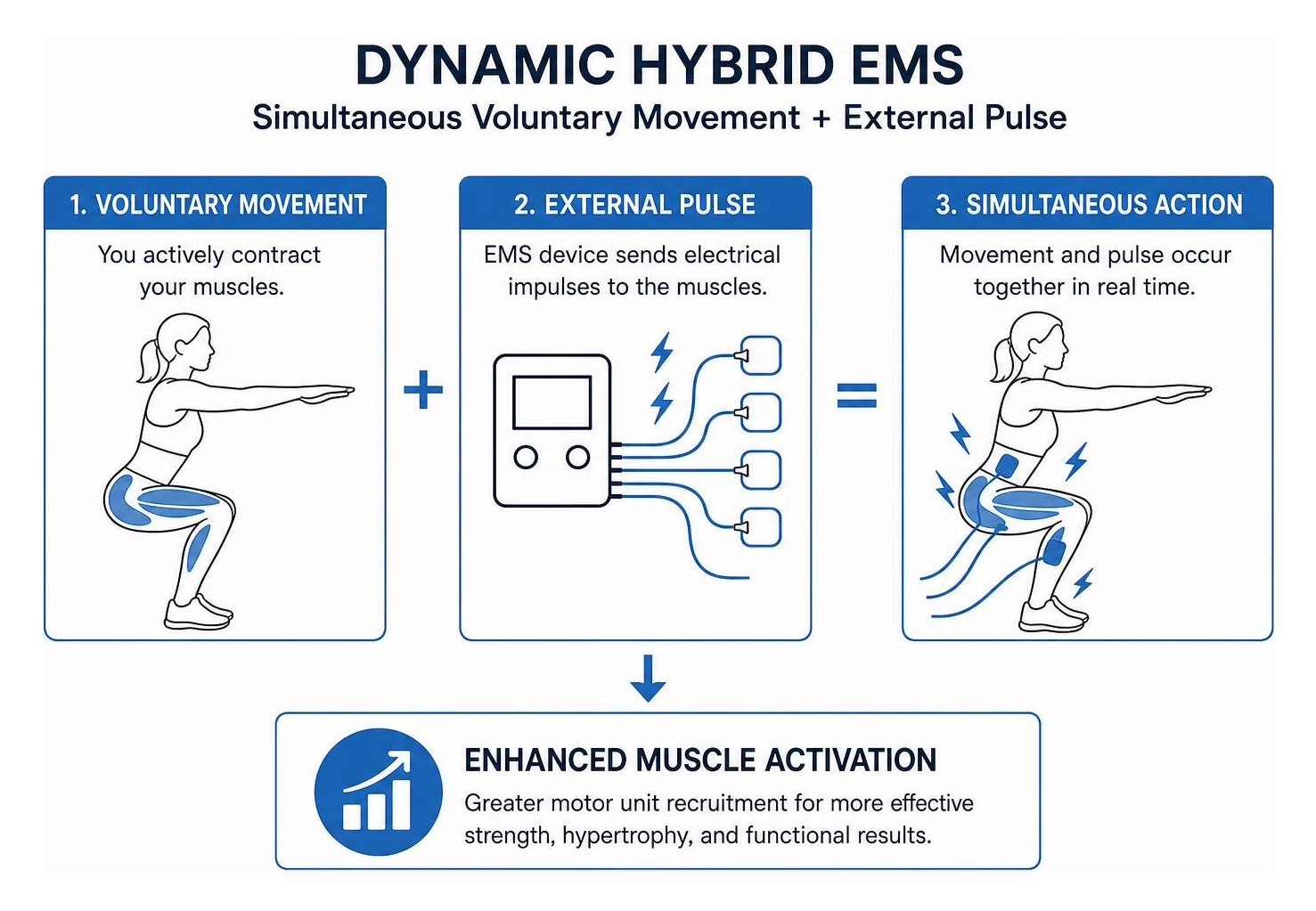
When you actively contract your muscles during an impulse cycle, you achieve a powerful synergistic effect:
- Enhanced Motor Patterning: Performing bodyweight squats, planks, or lunges while under electrical tension teaches your brain to recruit motor units more efficiently.
- Stabilizer Activation: Core musculature and deep postural stabilizers fire continuously, correcting muscle imbalances.
- Joint-Safe Resistance: You experience maximum muscular tension without compressing spinal discs or loading arthritic knees with heavy barbells.
Safety Considerations, Contraindications, and Target Demographics
Professional EMS fitness is a safe, non-invasive training method, provided it is supervised by certified trainers using medical-grade equipment.
Who Benefits Most from EMS Technology?
EMS offers unique advantages across several demographics:
- Time-Constrained Professionals: Individuals who cannot spend 4–6 hours in a gym each week can maintain strength and metabolic health in two 20-minute sessions.
- Older Adults & Sarcopenia Prevention: Training 1.5 to 3 times per week preserves muscle mass and bone density without putting fragile joints at risk.
- Individuals with Joint or Back Pain: Those recovering from joint injuries or managing chronic lower back pain can build supporting muscle without heavy spinal loading.
- Athletes: Competitors use EMS as a targeted tool to enhance explosive power and target lagging muscle groups.
Safety Protocols and Medical Contraindications
Because EMS delivers mild electrical impulses, certain clinical contraindications apply. You should not use EMS if you have:
- Cardiac pacemakers, defibrillators, or severe cardiac arrhythmias
- Active pregnancy
- Epilepsy or seizure disorders
- Open skin lesions, rashes, or acute hernias in the electrode area
- Acute thrombosis or circulatory disorders
Hydration and Recovery: Because synchronous muscle contractions break down muscle tissue efficiently, proper hydration before and after sessions is essential to support kidney function and reduce delayed-onset muscle soreness (DOMS).
Frequently Asked Questions About EMS Training
How often should you do EMS workouts per week?
For most individuals, 1 to 2 sessions per week (spaced at least 48 to 72 hours apart) is ideal. Research indicates that training 1.5 times per week improves muscle mass, while 1.5 to 3 sessions weekly can significantly enhance lean body mass. Because EMS creates deep muscle fiber fatigue, adequate rest is necessary for proper repair and adaptation.
Can EMS completely replace traditional weightlifting?
EMS can fully replace traditional lifting for general fitness, body toning, metabolic health, and muscle maintenance. However, for competitive athletes aiming to maximize peak skeletal loading or 1RM powerlifting metrics, EMS works best as a powerful supplement rather than a complete replacement.
What does an EMS muscle contraction feel like?
It feels like a deep, vibrating tingling sensation that builds into a firm, involuntary muscular tightness. While it can feel intense, it should never feel sharp or painful. Certified trainers continuously adjust the impulse depth to match your comfort and fitness level.
Conclusion
Electrical muscle stimulation represents an evidence-based fusion of neuromuscular science and modern fitness technology. By activating both slow- and fast-twitch muscle fibers simultaneously, EMS provides an efficient workout that builds lean muscle, supports functional strength, and improves body composition—all without heavy joint strain.
At EMS Concierge, we bring this science directly to your doorstep. Using professional-grade Miha Bodytec equipment, our certified trainers guide you through customized, low-impact sessions in the comfort and privacy of your home. Ready to experience the future of efficient fitness? Discover how full body EMS training can help you achieve your wellness goals in just 20 minutes a week.
References
Lee MC, Ho CS, Hsu YJ, Wu MF, Huang CC. "Effect of 8-week frequency-specific electrical muscle stimulation combined with resistance exercise training on muscle mass, strength, and body composition in men and women: a feasibility and safety study.." PeerJ, 2023. PMCID PMC10586320.