Which Athletic Recovery Treatment Fits Your Goal?
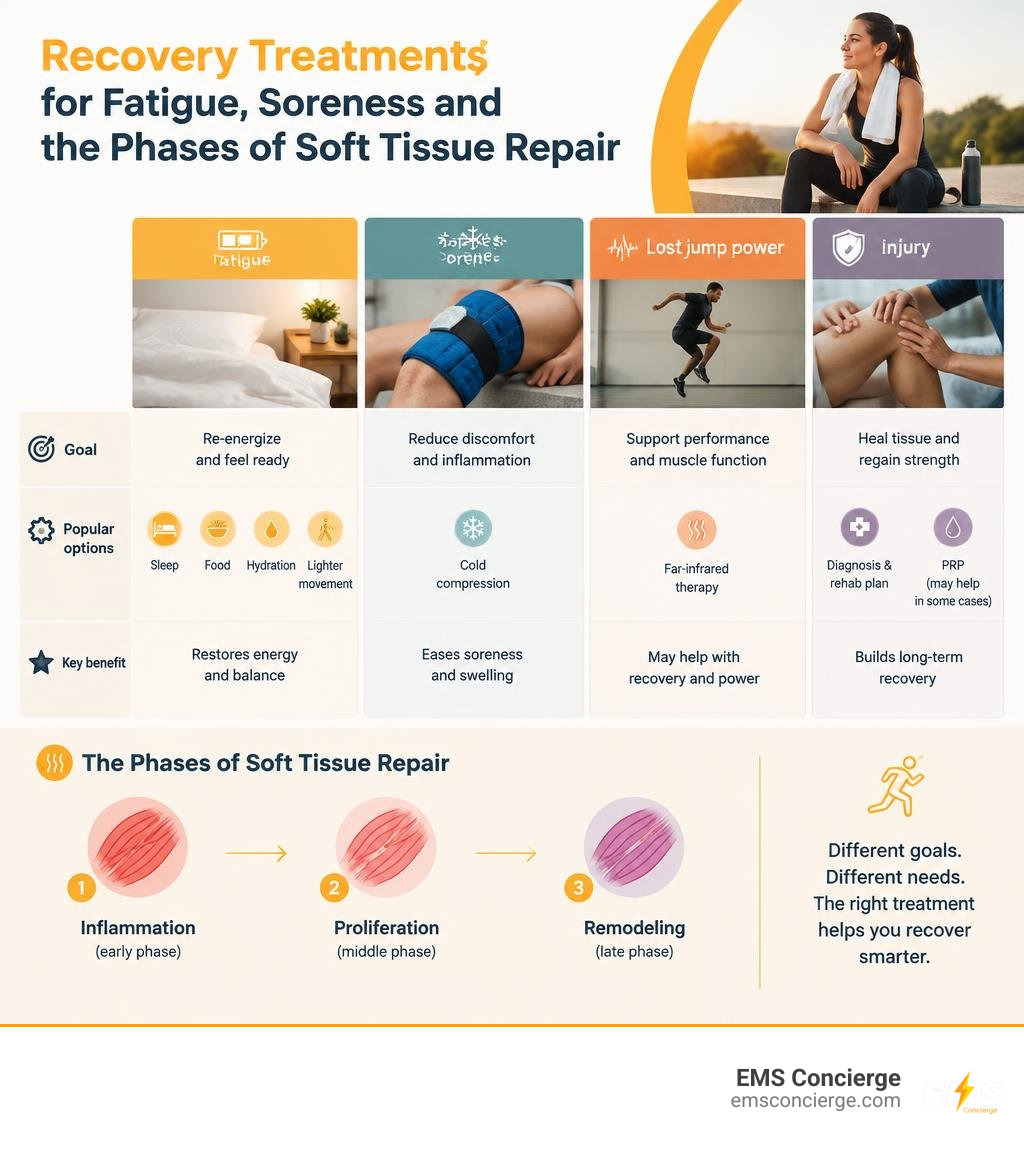
Choose the treatment based on what needs to recover. For general training fatigue, start with sleep, food, hydration, and lighter movement. For post-game soreness, cold compression may help. For lost jump power, far-infrared therapy ranked highest in a small review of soccer studies. If you have a muscle or tendon injury, get a diagnosis and follow a rehab plan; platelet-rich plasma (PRP) may help in some cases, but it is not a substitute for rehab.
The key difference is fatigue versus injury. A recovery session may help you feel ready for your next workout. Damaged tissue needs time and a plan to regain strength. This guide compares the options by goal, evidence, and limits so you can choose without paying for more treatment than you need.
Quick look at athletic recovery treatment:
Across professional sports leagues such as MLB, NBA, NFL, and NHL, epidemiological data document roughly 62.49 soft tissue injury events per 100 players per season, with in-season re-injury rates hovering stubbornly between 12% and 18%. Whether managing the physical toll of short-turnaround fixtures or recovering from acute structural damage, understanding the biological reality of soft tissue repair is crucial for sustained performance.
Biological Deficits in Soft Tissue Healing and Conventional Limitations
Soft tissue structures—specifically tendons, ligaments, and skeletal muscle—heal through a finely balanced three-phase biological cascade: acute inflammation, cell proliferation, and matrix remodeling. However, this process frequently stalls or results in structurally inferior repair due to several intrinsic biological bottlenecks.
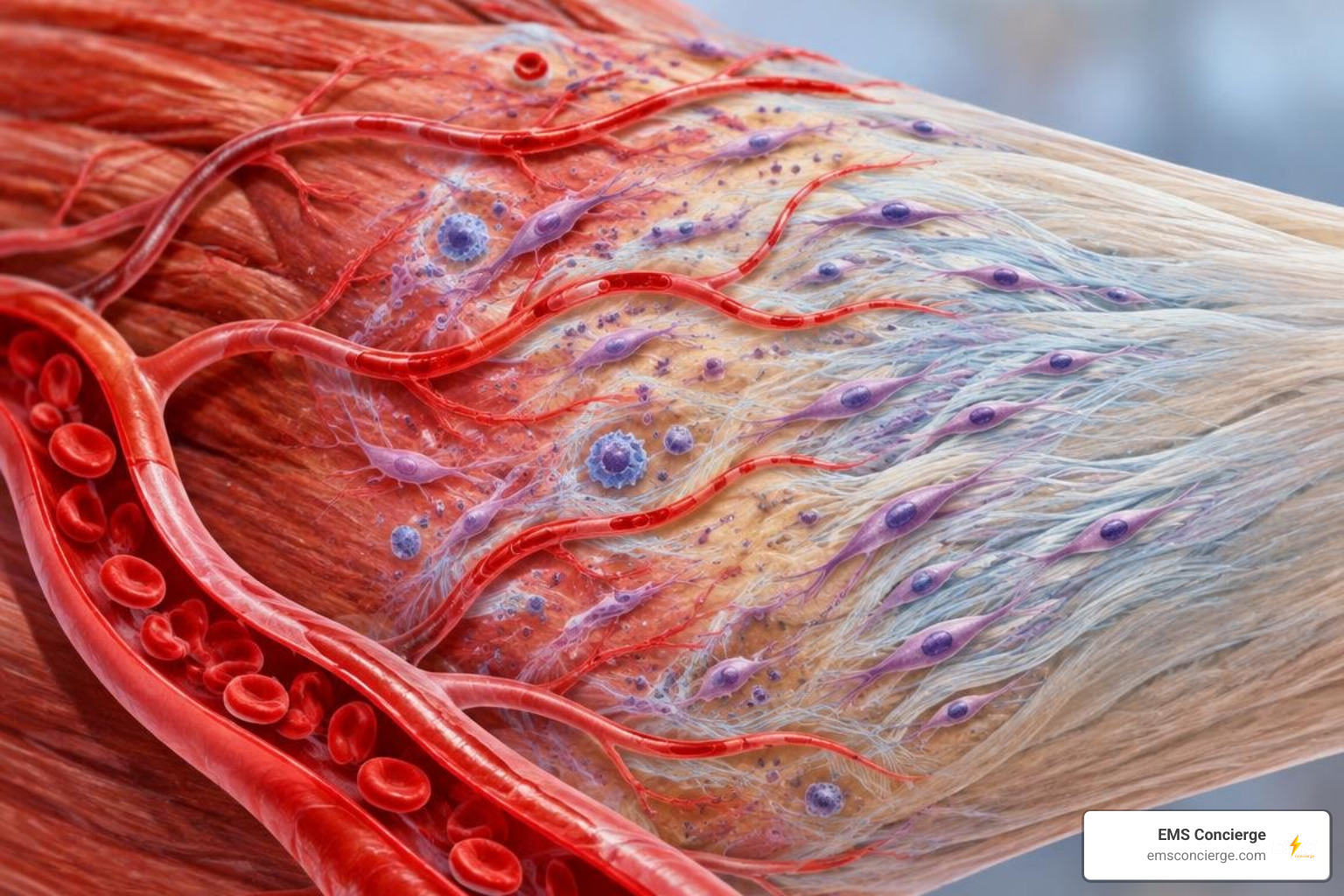
Tendons and ligaments are naturally hypovascular, relying on limited peritendinous capillary beds. Following acute disruption, these tissues suffer from three primary cellular deficits:
- Paracrine Signaling Deficits: Injured tissues often fail to recruit local stem cells and beneficial immune cells effectively.
- Inadequate Growth Factor Delivery: Hypovascularity limits the sustained concentration of key reparative peptides, such as platelet-derived growth factor (PDGF), vascular endothelial growth factor (VEGF), and transforming growth factor-beta (TGF-β).
- A Pro-Fibrotic Microenvironment: Prolonged inflammatory signaling traps local macrophages in a pro-inflammatory "M1" state. Instead of transitioning to the regenerative "M2" phenotype, the environment promotes rapid, disorganized type III collagen deposition (fibrotic scar tissue) rather than aligned, tensile-strong type I collagen.
Conventional approaches frequently fail to resolve these underlying biological deficits. While passive rest prevents further tissue tearing, it does not actively stimulate cellular turnover or realign collagen fibers. Furthermore, non-steroidal anti-inflammatory drugs (NSAIDs) inhibit cyclooxygenase (COX) enzymes, blunting the natural inflammatory cascade necessary for recruiting restorative growth factors.
Similarly, repetitive corticosteroid injections provide powerful short-term pain relief at the expense of local protein synthesis, often accelerating long-term tendon degeneration and collagen degradation. Implementing science-backed steps for muscle recovery requires working with your body's cellular timeline rather than suppressing essential repair pathways.
Evidence-Based Modalities in Athletic Recovery Treatment
Navigating recovery modalities requires aligning each tool with specific physiological outcomes. While some therapies excel at clearing metabolic waste and downregulating delayed-onset muscle soreness (DOMS), others focus on restoring central neuromuscular drive.
Recent (Liu et al., 2026) evaluates how different non-invasive interventions influence distinct performance markers:
| Recovery Modality | Primary Target Metric | SUCRA / Evidence Score | Key Physiological Mechanism | Best Clinical Application |
|---|---|---|---|---|
| Far-Infrared Therapy (FIR) | Countermovement Jump (CMJ) Height | 98.3% | Deep thermal radiation, mitochondrial stimulation, local vasodilation | Neuromuscular power restoration post-match |
| Intermittent Negative Pressure (INPT) | Creatine Kinase (CK) Clearance | 91.0% | Alternating vascular occlusion, accelerated lymphatic drainage | Structural muscle damage and metabolic waste clearance |
| Portable Cold Compression (PCMcold) | Subjective Muscle Soreness (DOMS) | 98.9% | Localized vasoconstriction, reduced interstitial edema, slowed nerve conduction | Acute soreness and perception of fatigue |
| Neuromuscular Electrical Stimulation | Motor Unit Firing & Microcirculation | High Clinical Support | Non-fatiguing involuntary contractions, metabolic pumping | Systemic active recovery and motor re-education |
| Platelet-Rich Plasma (PRP) | Return-to-Play Timeline & Tissue Healing | High (Level I Evidence) | Autologous growth factor delivery, accelerated cell proliferation | Acute grade 2 muscle strains and tendinopathies |
Neuromuscular and Active Recovery Stimulation
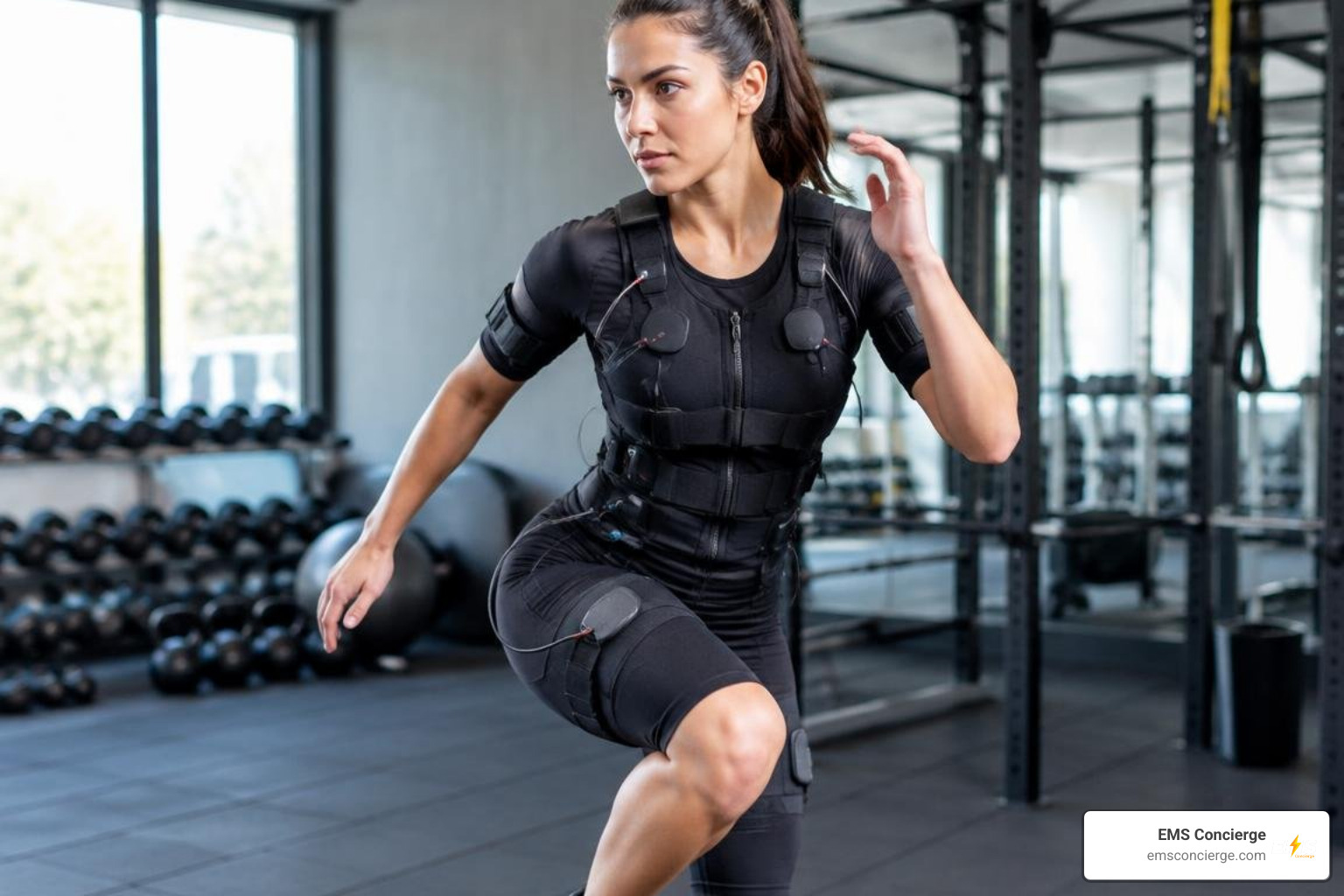
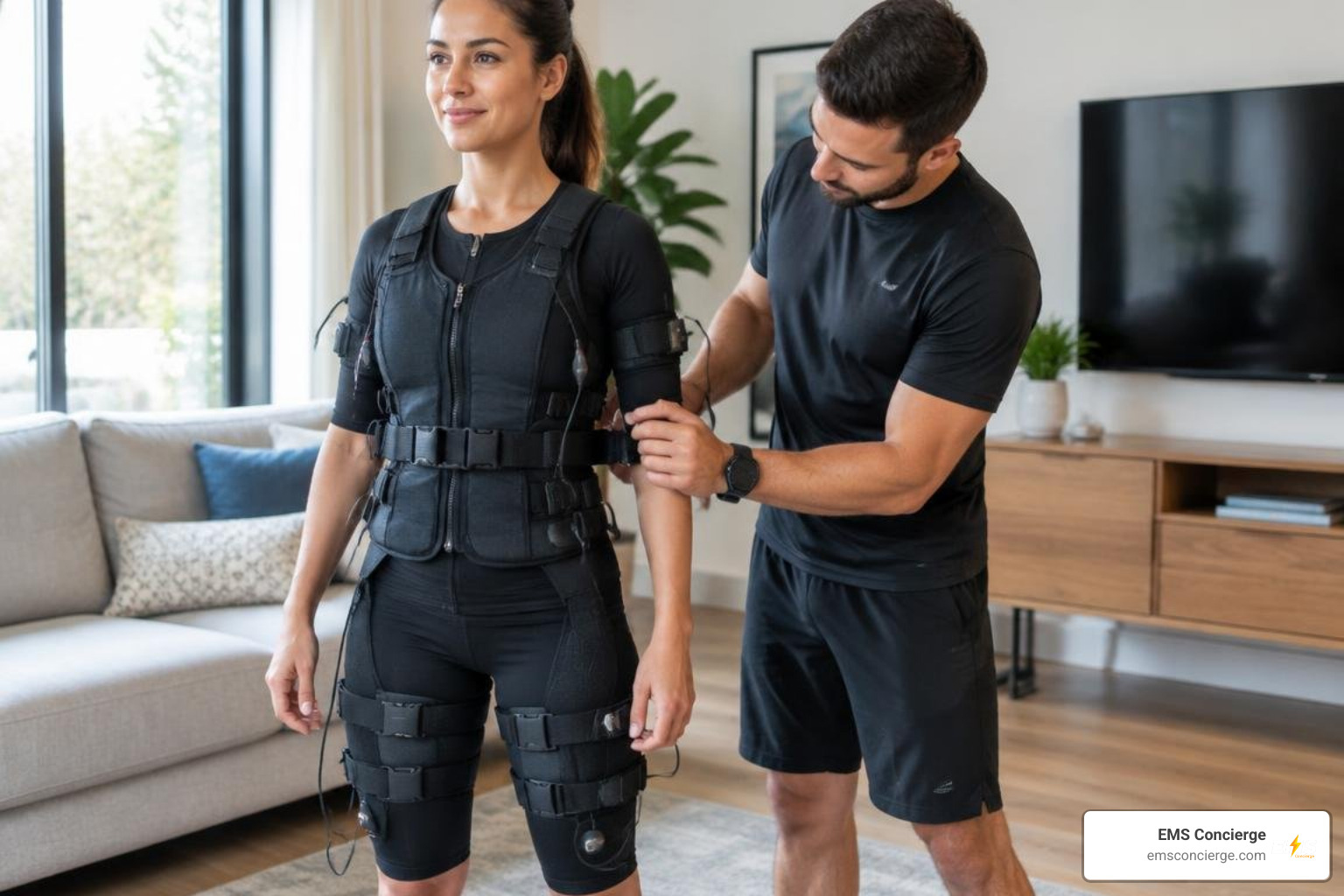
At EMS Concierge, our mobile service brings personalized, professional-grade recovery directly to athletes across Westlake, Malibu, Santa Monica, Beverly Hills, and our other Southern California and Aspen locations. Utilizing professional-grade Miha Bodytec equipment guided by certified trainers, we deliver low-frequency, non-fatiguing motor unit recruitment in comfortable 20-minute sessions.
By generating rhythmic, low-frequency involuntary muscle twitches, low-frequency stimulation acts as an active muscular pump. This enhances local microcirculation and accelerates metabolic clearance without placing mechanical strain on damaged joints or depleting cellular glycogen stores.
For athletes managing heavy training schedules, incorporating electrical stimulation for muscle recovery helps maintain countermovement jump performance and restores baseline muscle tone. Combining these sessions with structured EMS training for athletes allows high performers to sustain neuromuscular activation while minimizing excessive joint load.
Cryotherapy, Thermotherapy, and Cold Compression
Temperature-based and compression modalities provide targeted physiological support during tight training windows:
- Far-Infrared Therapy (FIR): Delivers penetrating thermal radiation to deep tissues, stimulating cellular adenosine triphosphate (ATP) production and enhancing Countermovement Jump (CMJ) recovery within 24 to 48 hours post-exercise.
- Intermittent Negative Pressure Therapy (INPT): Uses rhythmic pressure gradients to promote venous return, driving creatine kinase (CK) clearance after demanding match play.
- Portable Cold Compression Therapy (PCMcold): Combines localized surface cooling with active pressure to lower acute pro-inflammatory cytokines such as interleukin-1 beta (IL-1β). As highlighted in a Frontiers study on cold and compression, this combination rapidly reduces muscle heaviness, decreases edema, and improves maximum voluntary contraction (MVC) force recovery compared to passive rest.
Athletes balancing rigorous schedules often combine thermal tools with scheduled active recovery. However, timing is essential; deciding whether to use a cold plunge or sauna after training depends heavily on whether your priority is acute recovery for an upcoming game or long-term muscular hypertrophy.
Advanced Biologics: The Regenerative Trifecta and Cellular Repair
When soft tissue sustains structural tears, non-invasive therapies are often paired with advanced biologic interventions. The "Regenerative Trifecta"—an emerging protocol combining umbilical cord mesenchymal stem cells (UC-MSCs), platelet-rich plasma (PRP), and stem-cell-derived extracellular vesicles (exosomes)—is designed to address the primary microenvironmental bottlenecks of healing, as outlined in a Cureus study on multimodal regenerative protocols.
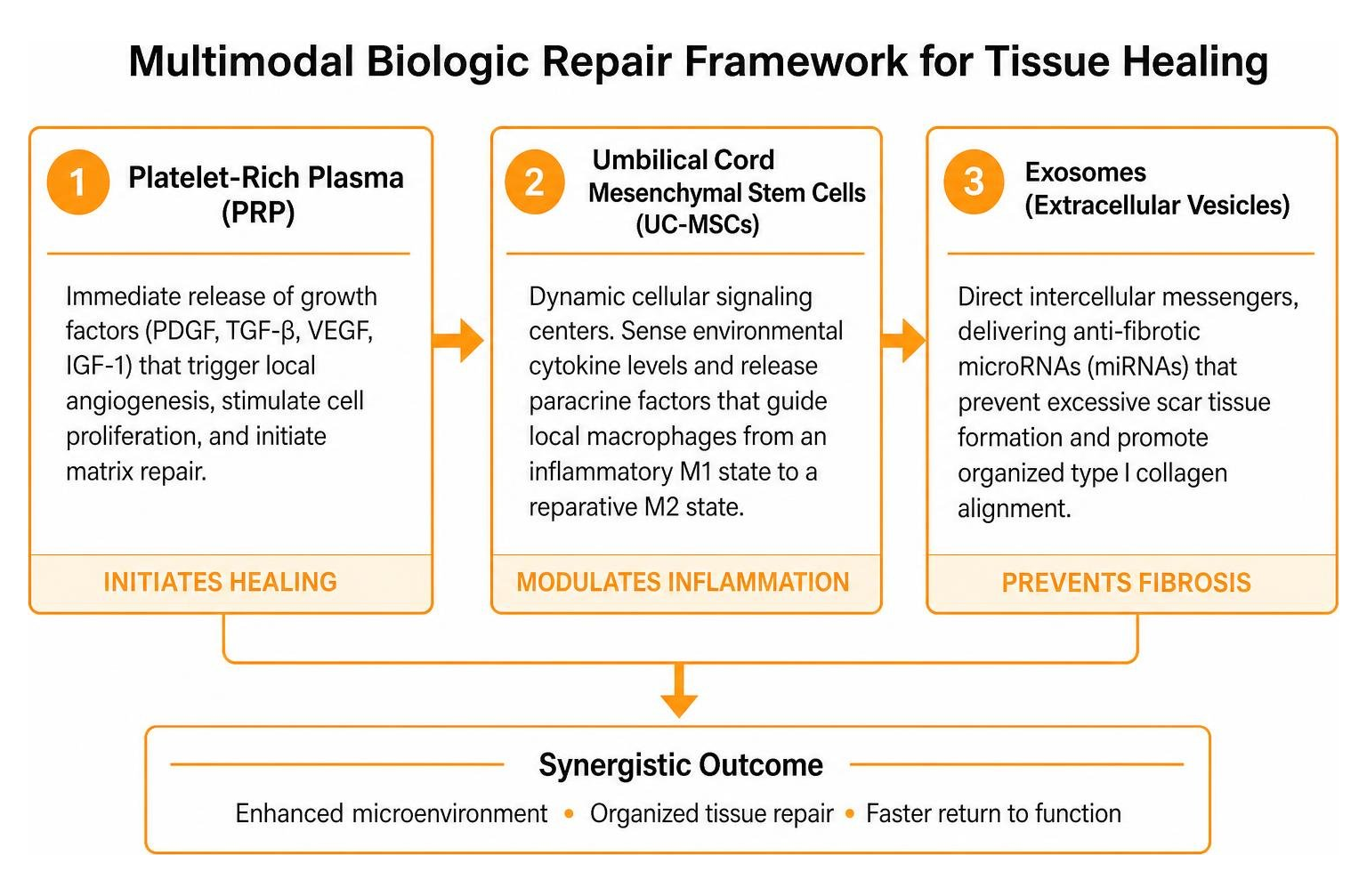
This synergistic combination targets the three core healing deficits:
- Platelet-Rich Plasma (PRP): Provides an immediate, concentrated release of growth factors (PDGF, TGF-β, VEGF, IGF-1) that trigger local angiogenesis, stimulate cell proliferation, and initiate matrix repair.
- Umbilical Cord Mesenchymal Stem Cells (UC-MSCs): Serve as dynamic cellular signaling centers. They sense environmental cytokine levels and release paracrine factors that guide local macrophages from an inflammatory M1 state to a reparative M2 state.
- Exosomes (Extracellular Vesicles): Function as direct intercellular messengers, delivering anti-fibrotic microRNAs (miRNAs) that prevent excessive scar tissue formation and promote organized type I collagen alignment.
Targeted Athletic Recovery Treatment for Masters Athletes
For masters athletes (aged 50 and older), biological recovery involves distinct challenges compared to younger competitors. Natural aging leads to cellular senescence, slower microvascular perfusion, and a reduced pool of endogenous stem cells within tendons and joint capsules.
In older athletes, unassisted healing often defaults to brittle, disorganized fibrotic scar tissue, increasing the likelihood of recurrent strains. Biologic protocols help offset these age-related signaling deficits, supporting cellular turnover and tendon remodeling.
When returning from an injury, pairing biologics with low-impact neuromuscular conditioning such as EMS training for injury recovery allows masters athletes to rebuild stabilizing strength while safeguarding healing joints.
Selecting the Right Athletic Recovery Treatment Modality
Matching your recovery strategy to your specific physiological state ensures optimal results:
- For Explosive Power Restoration: Choose far-infrared therapy (FIR) or photobiomodulation (SUCRA: 98.3%) within 24 to 48 hours to restore countermovement jump height and explosive power.
- For High Biomarker Clearance: Use intermittent negative pressure therapy (INPT, SUCRA: 91.0%) or active EMS flushing to accelerate creatine kinase clearance and lymphatic drainage.
- For Acute Soreness & Edema: Apply portable cold compression (PCMcold, SUCRA: 98.9%) for 30 minutes following intense eccentric training to limit local inflammation and reduce perceived DOMS.
- For Structural Muscle Strains: Utilize ultrasound-guided PRP injections alongside progressive physical rehabilitation to accelerate structural healing and shorten return-to-sport timelines.
- For Pure Sprint Recovery (20-m Sprint Speed): Network meta-analyses demonstrate that passive and advanced modalities show no statistically significant advantage over basic recovery; focus primarily on sleep hygiene, targeted hydration, and balanced nutrition.
Frequently Asked Questions About Athletic Recovery Treatment
How does PRP compare to standard physical therapy for muscle strains?
In randomized controlled trials evaluating acute grade 2 hamstring injuries, athletes receiving ultrasound-guided PRP combined with standard rehabilitation returned to sport in 26.4 ± 4.5 days, compared to 34.2 ± 5.7 days for rehabilitation alone (P < 0.001). Furthermore, 21-day follow-up MRI assessments demonstrated complete structural healing in 70% of the PRP group versus 36.7% in standard care controls (P = 0.003), alongside a lower in-season re-injury rate (3.3% vs. 16.7%).
Why are exosomes combined with MSCs instead of used alone?
While exosomes deliver concentrated, anti-fibrotic microRNA cargo, they are non-living biological vesicles with a finite functional half-life. They lack the ability to adapt to dynamic tissue conditions. Living mesenchymal stem cells (MSCs) actively monitor their biochemical microenvironment, continuously adjusting their paracrine signaling to maintain sustained immunomodulation throughout the healing process.
Which post-match recovery strategy best restores explosive power?
According to Bayesian network meta-analyses of competitive soccer players, far-infrared therapy (FIR) achieves the highest cumulative ranking (SUCRA = 98.3%) for restoring countermovement jump (CMJ) height. It is closely followed by photobiomodulation and active electrical stimulation for restoring maximal voluntary contraction (MVC). Notably, no modality has been shown to artificially accelerate pure 20-meter sprint recovery beyond standard sleep and nutritional foundations.
Conclusion
Maximizing athletic recovery requires moving beyond passive rest and generic protocols. By identifying whether your primary limitation is central neuromuscular fatigue, metabolic waste accumulation, or structural soft tissue disruption, you can choose evidence-based treatments tailored to your exact biological needs.
Whether utilizing non-invasive thermal modalities, biologic signaling protocols, or mobile Recovery Stimulation delivered directly to your home, aligning your recovery methods with your training demands is the most reliable way to stay healthy and perform at your best.
References
Liu J, Li Q, Han Y. "Efficacy of post-exercise recovery strategies for elite soccer players: a network meta-analysis.." Frontiers in physiology, 2026. PMCID PMC12867776.