How Does EMS Cardio Work?
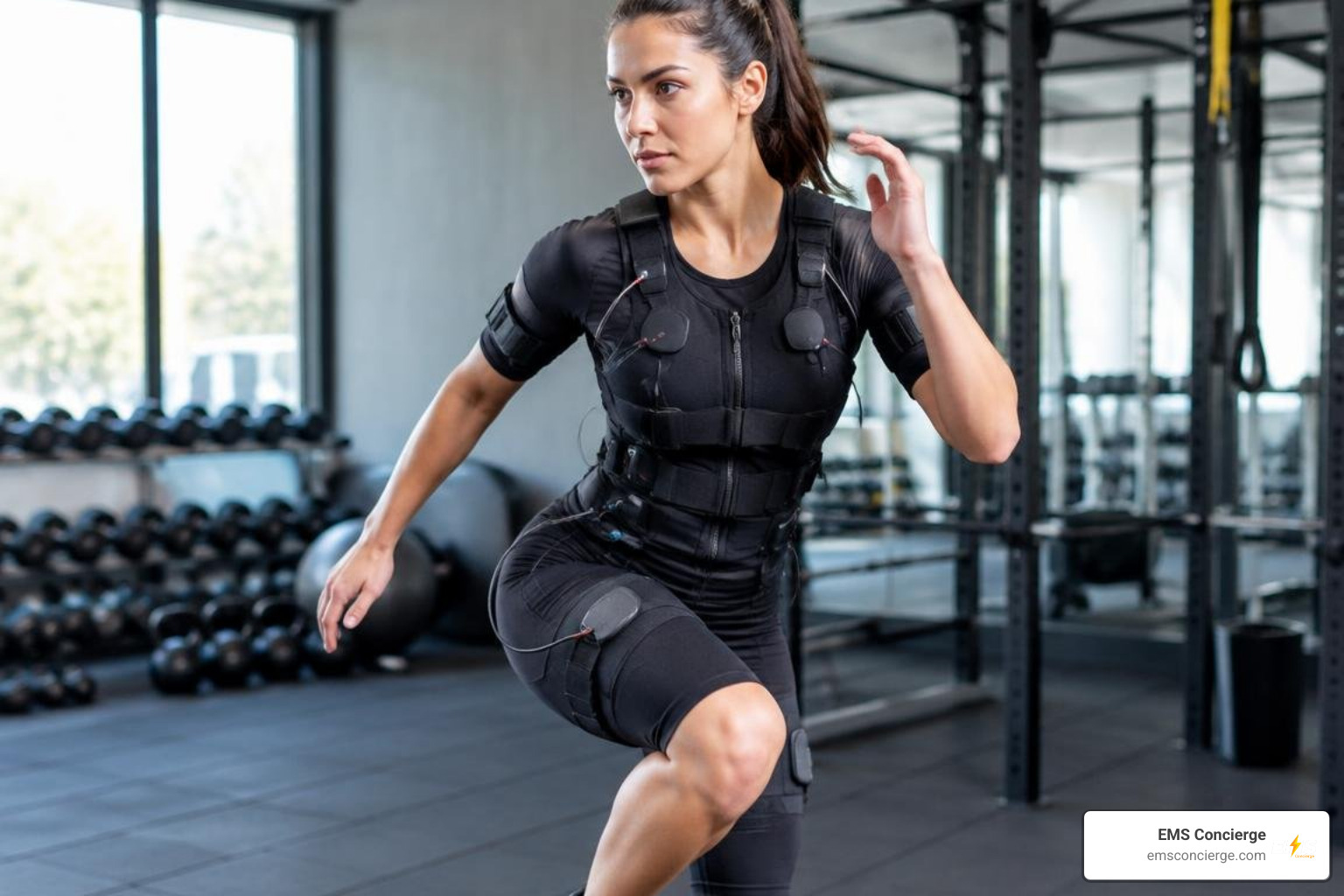
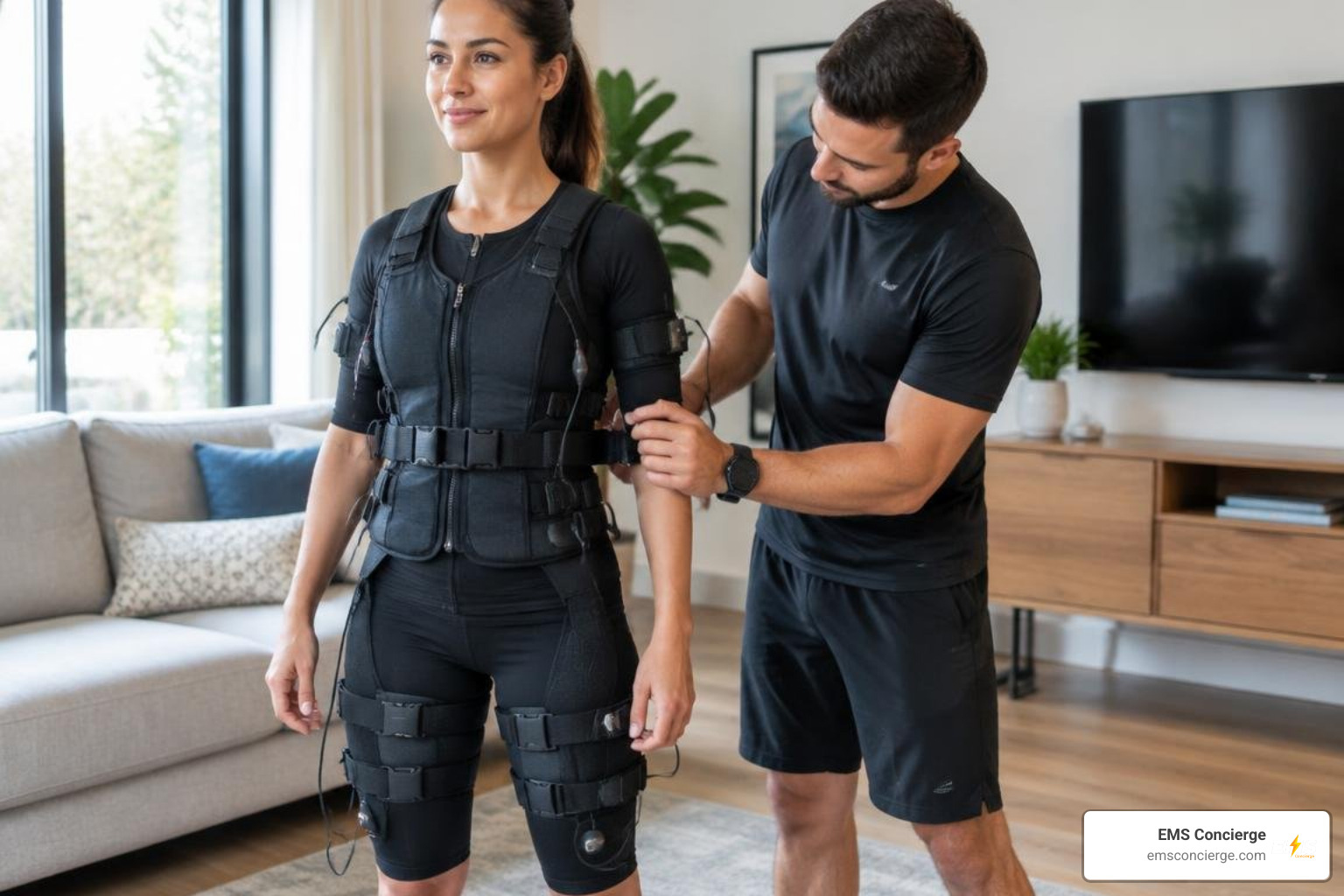
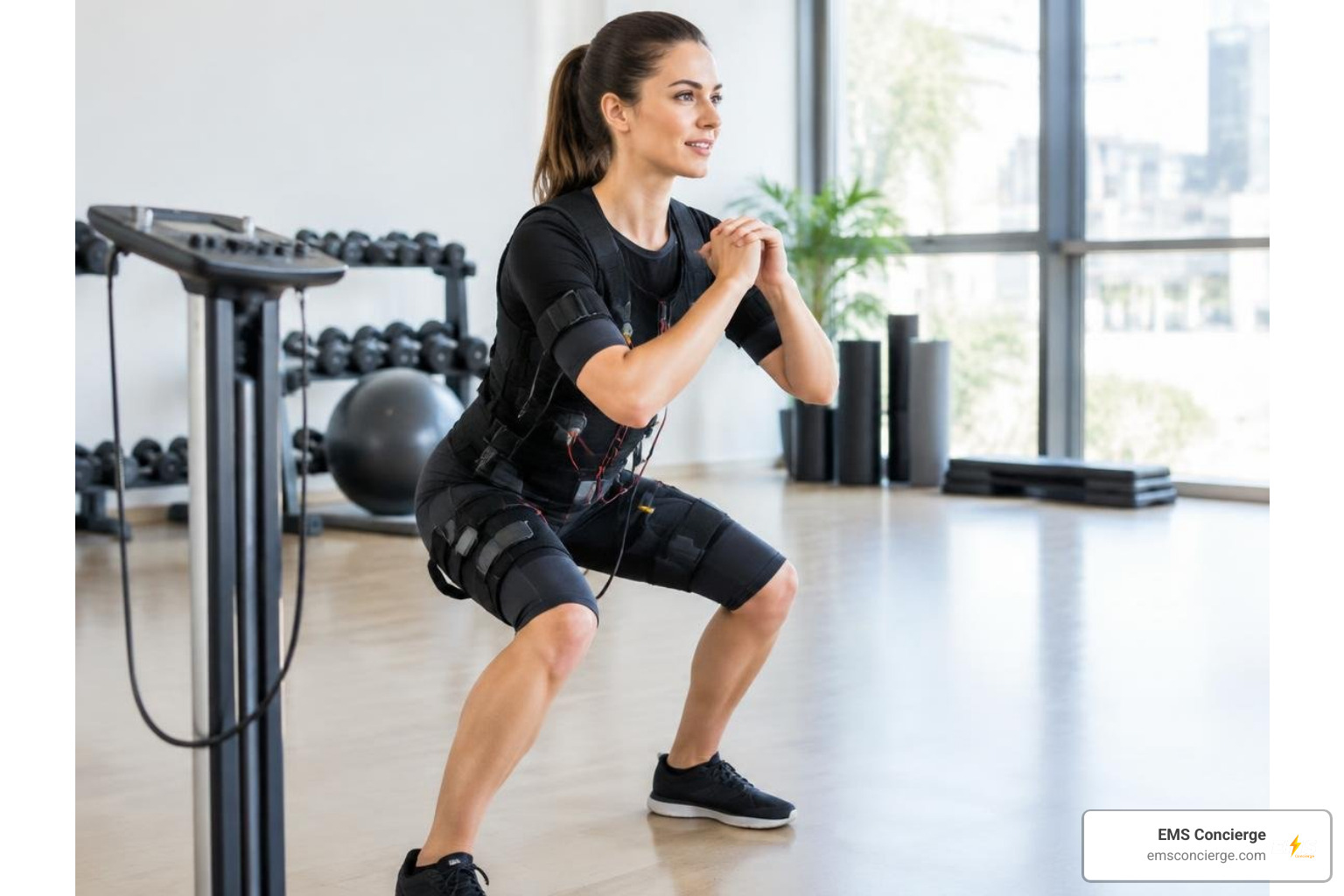
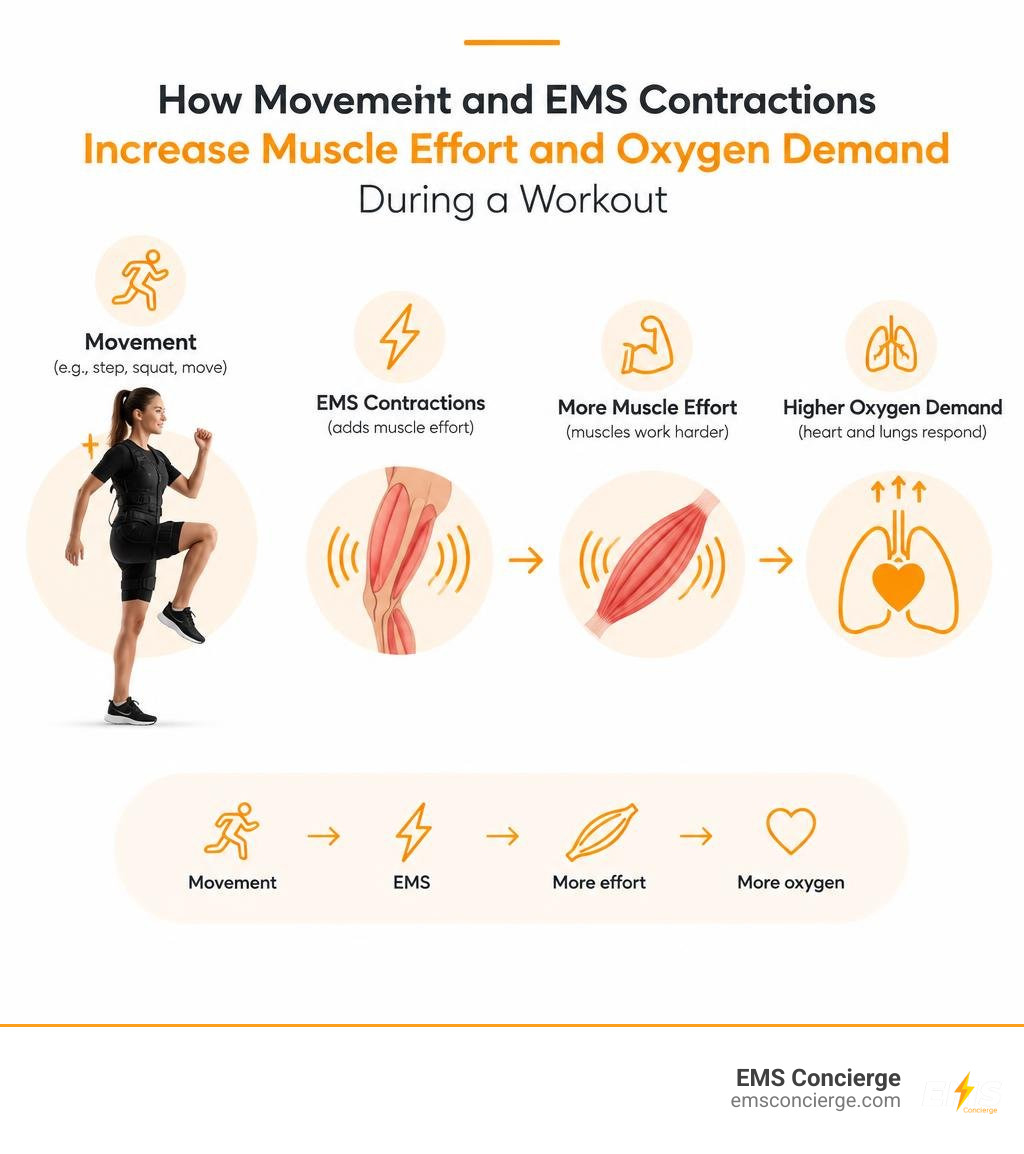
EMS cardio pairs low-impact movement with electrical impulses that make your muscles contract. As you step, squat, or move through a guided workout, the stimulation adds muscle effort. Your body needs to deliver oxygen to those working muscles, so your heart and lungs respond to the workout.
To get started, keep the movement comfortable and the stimulation at a level you can control. Increase either one gradually. EMS can make a short, joint-friendly session feel more demanding, but it does not replace regular aerobic activity. According to the American Council on Exercise, electrical muscle stimulation can enhance muscle activation during exercise, but it works best as a supplement to a balanced training program.
Quick how does ems cardio work terms:
The Science of Electro-Muscle Stimulation: How Does EMS Cardio Work?
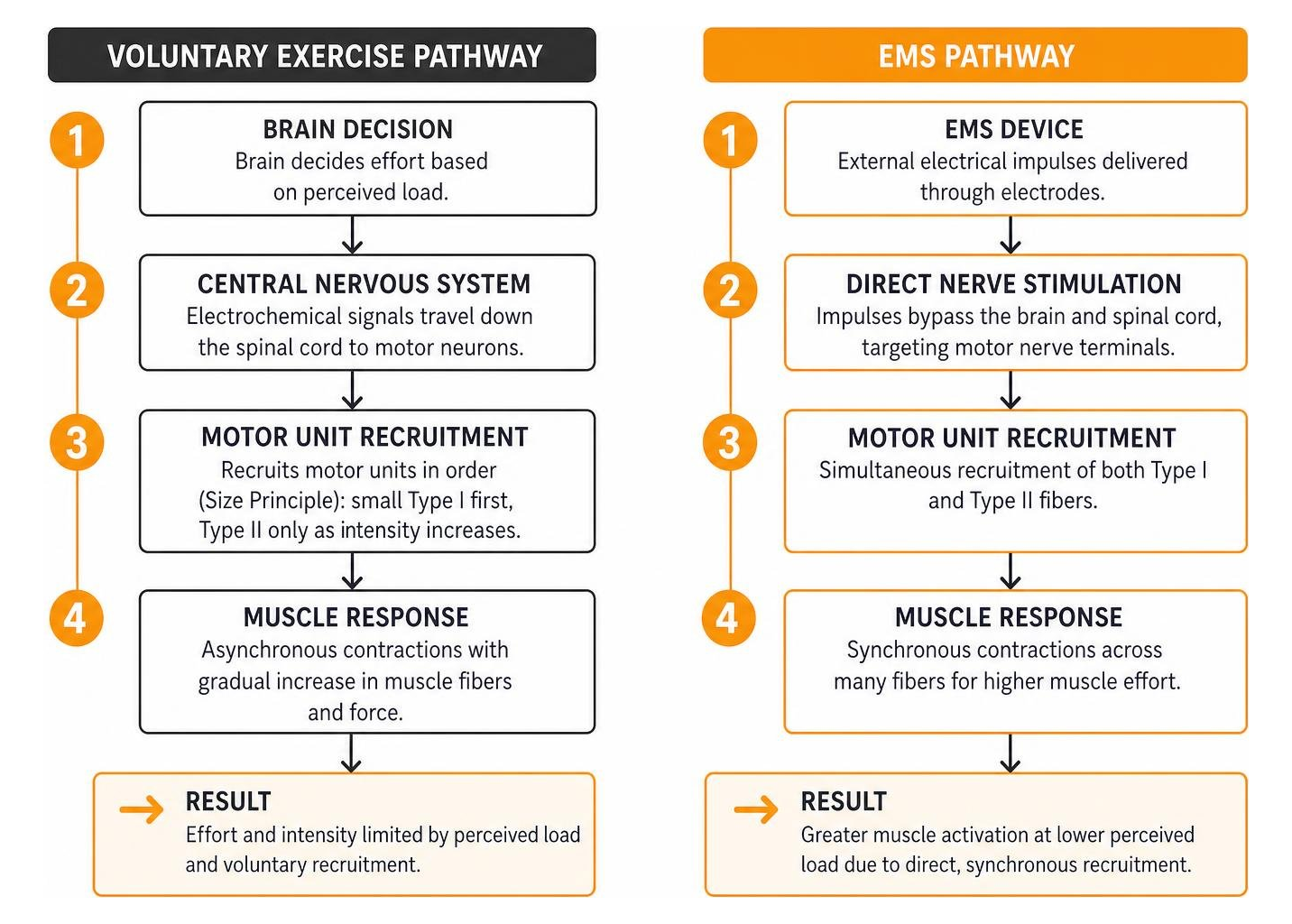
To understand how whole-body stimulation enhances endurance, we have to look beneath the skin. In conventional aerobic training, your central nervous system sends electrochemical signals down your spinal cord to motor neurons, prompting muscle fibers to contract. Your brain decides how many motor units to recruit based on the perceived load.

Electro-muscle stimulation bypasses these voluntary neurological pathways. Medical-grade devices deliver external electrical impulses directly to the motor nerve terminals located on the superficial and deep muscle layers. When these impulses fire at calibrated frequencies—typically between 30 and 50 Hz—they trigger rapid involuntary contractions.
By applying these currents across major muscle groups simultaneously (including the quadriceps, hamstrings, glutes, core, back, and chest), EMS creates massive aggregate metabolic demand. Your circulatory system must rapidly adjust to deliver oxygenated blood and remove cellular waste products, challenging your aerobic energy pathways in a fraction of the time required by traditional workouts.
Neuromuscular Mechanics: How Does EMS Cardio Work on Muscle Fibers?
Traditional exercise recruits muscle fibers according to Henneman’s Size Principle: your body recruits smaller, fatigue-resistant Type I (slow-twitch) fibers first, reserving larger, powerful Type II (fast-twitch) fibers for high-intensity efforts.
EMS cardio alters this recruitment pattern. External stimulation recruits both Type I and Type II fibers simultaneously and synchronously. You can explore how electrical impulses stimulate muscle contractions to see how this involuntary recruitment bypasses normal fatigue thresholds. Because fast-twitch fibers consume glycogen rapidly and produce metabolic byproducts at higher rates, activating them during steady-state aerobic movement forces significant neuromuscular adaptation without requiring heavy external resistance.
Cardiovascular Demand: How Does EMS Cardio Work to Build Stamina?
Stamina depends on your cardiovascular system's capacity to transport oxygen from the lungs to working muscles and utilize it within the mitochondria. When EMS stimulates multiple large muscle groups at once, capillary beds throughout your body dilate to facilitate gas exchange.
As we detail in our in-depth guide to EMS basics, this widespread muscular activation increases total venous return to the heart. Your cardiac stroke volume rises to meet this peripheral oxygen demand, generating a smooth, steady heart rate response that strengthens cardiovascular capacity without sudden, dangerous spikes in blood pressure.
How EMS Cardio Supports Aerobic Fitness
EMS cardio bridges the gap between muscular strength training and aerobic conditioning. It delivers systemic cardiovascular conditioning while protecting your joints and connective tissues from excessive mechanical impact.
| Metric | Traditional High-Intensity Cardio | Low-Impact EMS Cardio |
|---|---|---|
| Muscle Fiber Recruitment | 30%–50% voluntary recruitment | Up to 90%+ simultaneous recruitment |
| Joint Loading & Impact | High (ground reaction forces, joint compression) | Zero to minimal (bodyweight movements) |
| Heart Rate Dynamics | Rapid, sharp spikes (30–50 BPM above baseline) | Controlled, steady elevation (10–15 BPM above baseline) |
| Session Duration | 45–60 minutes | 20 minutes maximum |
| Metabolic Demand | Dependent on external load and speed | Driven by multi-group electric stimulation |
Cardiac Output and Heart Rate Regulation
A significant advantage of EMS cardio is its hemodynamic stability. During intense conventional cardio—such as sprints or heavy kettlebell intervals—your sympathetic nervous system triggers sharp catecholamine surges, causing sudden heart rate spikes and elevated vascular resistance.
In contrast, EMS cardio maintains a steady, controlled heart rate response. Because the muscular load is generated by targeted impulses rather than extreme physical velocity, your stroke volume increases smoothly. This steady heart rate allows for aerobic conditioning while keeping cardiac stress within a safe, manageable therapeutic window.
Joint Impact and Muscular Fatigue During EMS
High-impact cardiovascular exercises like running or plyometrics subject ankles, knees, and lumbar vertebrae to ground reaction forces up to three times body weight. Over time, this repetitive stress can cause joint degradation, tendonitis, and overuse injuries.
EMS cardio eliminates heavy joint loading. Workouts use slow, bodyweight calisthenics—such as quarter squats, lateral lunges, and controlled arm drives—while the electrical stimulation provides deep muscular resistance. This makes it an ideal strategy for active recovery, joint-sensitive fitness, and sustainable stamina development.
Key Benefits of EMS Cardio for Endurance and Recovery
Integrating full-body stimulation into your endurance routine enhances both systemic stamina and cellular energy production.
Enhanced Aerobic Capacity and VO2 Max
VO2 max measures the maximum volume of oxygen your body can utilize during incremental exercise. Research shows that consistent, twice-weekly EMS cardio sessions can increase VO2 max by up to 15% over an 8-week period.
This improvement is driven by peripheral adaptations:
- Mitochondrial Density: Frequent, low-frequency stimulation encourages mitochondrial biogenesis, increasing cellular ATP production.
- Capillary Density: Enhanced local blood flow stimulates angiogenesis, expanding the microvascular networks delivering oxygen to muscle tissue.
- Lactate Clearance: Simultaneous fiber recruitment trains your muscles to clear and buffer lactate efficiently, raising your anaerobic threshold.
Efficient Calorie Burn and Metabolic Conditioning
Because EMS recruits up to 90% of your muscle fibers simultaneously, the metabolic cost of a short session is remarkably high. A single 20-minute session typically yields an active energy expenditure of 150–200 kcal, equivalent to a 30-minute moderate jog.
Beyond immediate energy burn, EMS cardio creates substantial excess post-exercise oxygen consumption (EPOC). The energy required to restore glycogen, clear metabolic waste, and repair muscle tissue elevates your baseline metabolic rate for hours following your workout. You can read more about the real calorie expenditure of EMS workouts to understand the long-term metabolic calculations.
How to Structure an Effective EMS Cardio Training Program
Maximizing cardiovascular adaptations requires structured programming, correct impulse settings, and adequate recovery periods.
Session Duration and Frequency Guidelines
To prevent overtraining and ensure neuromuscular recovery, keep your routine within these parameters:
- Session Frequency: Schedule 1 to 2 sessions per week, allowing at least 48 to 72 hours of recovery between workouts.
- Session Cap: Limit active stimulation to 20 minutes per workout.
- Interval Structuring: Use 5-minute interval blocks, alternating between continuous low-frequency aerobic channels (30–40 Hz) and active recovery pauses.
- Progressive Overload: Increase the impulse intensity (depth) gradually before adding movement complexity.
Safety Protocols and Cardiac Considerations
While EMS cardio is gentle on joints and offers steady heart rate dynamics, strict safety protocols are essential:
- Pre-Session Screening: Complete a thorough health evaluation before your first session. EMS is contraindicated for individuals with implanted electrical devices (such as pacemakers or AICDs), active cardiac arrhythmias, pregnancy, or acute thrombosis.
- Hydration & Electrolytes: Consume 16–20 ounces of water with electrolytes 30 minutes before training to ensure proper electrical conductivity and prevent cramping.
- Electrode Contact: Ensure electrode pads are evenly dampened and firmly strapped across all targeted muscle groups to prevent hot spots or uneven stimulation.
Frequently Asked Questions About EMS Cardio
Is EMS cardio safe for individuals with heart conditions?
EMS cardio is generally safe for individuals seeking low-impact exercise because it avoids rapid heart rate spikes. However, individuals with diagnosed cardiovascular conditions, uncontrolled hypertension, or implanted medical devices should obtain medical clearance before beginning an EMS routine.
How many calories do you burn during a 20-minute EMS cardio session?
A standard 20-minute EMS cardio session burns approximately 150 to 200 kcal during active movement. When combined with post-exercise oxygen consumption (EPOC), total metabolic expenditure increases significantly over the following 24 to 48 hours.
How quickly can you see cardiovascular improvements with EMS?
Measurable improvements in aerobic stamina and respiratory efficiency typically appear within 6 to 8 weeks of consistent, twice-weekly training. Many participants notice reduced workout fatigue and better endurance within their first 3 to 4 weeks.
Conclusion
EMS cardio is a scientifically validated method for building aerobic stamina, increasing VO2 max, and burning calories without putting unnecessary stress on your joints. By stimulating deep muscle fibers through controlled electrical impulses, it delivers the cardiovascular benefits of a conventional workout in a focused 20-minute window.
At EMS Concierge, we bring certified trainers and medical-grade Miha Bodytec equipment directly to your home. Whether you are in Beverly Hills, Santa Monica, Malibu, Newport Beach, or Aspen, our mobile sessions are customized to your fitness level. Explore our full-body EMS cardio program today to elevate your endurance on your own schedule.